
Skip to main content
Skip to toolbar
Brazil’s dynamic economy in 2026 offers significant opportunities for profitable investments in Brazil for 2026, particularly for foreign investors with experience in the country’s market. With a projected GDP growth of 3%, driven by stable commodity prices and $80 billion in foreign direct investment (FDI) in 2025, per the IMF, Brazil is a hub for sectors like renewable energy, real estate, technology, agribusiness, and manufacturing. Experienced investors can leverage their understanding of Brazil’s regulatory and cultural landscape to achieve returns of 8–25%. However, risks such as currency volatility, regulatory complexity, and environmental compliance must be addressed. This comprehensive guide explores the most promising sectors, their risks, and practical mitigation strategies, drawing on insights from our ICMS guide and home purchase guide.

Table of Contents
- Renewable Energy: Harnessing Brazil’s Green Potential
- Real Estate and Infrastructure: Urban Growth Opportunities
- Technology and Startups: Brazil’s Innovation Hub
- Agribusiness: Capitalizing on Agricultural Strength
- Manufacturing and Automotive: Industrial Opportunities
- Key Risks for Investors in Brazil
- Mitigation Strategies for Success
- Real-World Success Stories
- Frequently Asked Questions
- Contact Harcana Consulting
Renewable Energy: Harnessing Brazil’s Green Potential
Brazil investment opportunities in renewable energy, including wind, solar, and biofuels, are among the most lucrative for 2026, offering annual returns of 10–15%. Brazil aims to add 10 GW of renewable capacity by 2026, supported by government auctions and incentives aligned with the Paris Accord, per EY. Investments in wind farms or solar parks, ranging from $5 million to $50 million, benefit from long-term contracts (20–30 years) that ensure stable cash flows. The Brazil Development Bank (BNDES) plans to allocate R$94.2 billion for energy and infrastructure by 2026, creating entry points for experienced investors familiar with Brazil’s regulatory framework.
The sector’s appeal lies in Brazil’s abundant natural resources—70% of its energy matrix is renewable, compared to 20% in the U.S., per IEA. Wind projects in the Northeast and solar in the Southeast are particularly attractive, with capacity growth of 12% annually. However, investors must navigate environmental licensing delays, which extend timelines by 6–12 months for 20% of projects, and import costs for solar panels, impacted by 10–15% BRL volatility, per IMF. Political shifts, such as the 2024 debates on environmental policies, add uncertainty.
Experienced investors can mitigate risks by partnering with local firms to streamline licensing, reducing delays by 50%, and utilizing currency hedging to stabilize 80% of import costs, according to Deloitte. Thorough due diligence on project partners avoids disputes, which affect 10% of renewable energy investments, ensuring stable returns in this high-growth sector.

Real Estate and Infrastructure: Urban Growth Opportunities
Real estate and infrastructure rank among the top profitable investments in Brazil for 2026, with returns of 8–12% through rental yields and property appreciation. Brazil’s urban population, projected to grow 15% by 2030, drives demand for commercial and residential properties in São Paulo and Rio de Janeiro, per PwC. Investments in residential developments start at $1 million, while infrastructure projects like ports and highways, backed by R$94.2 billion in government funding, require $10 million or more, per BNDES. Public-private partnerships (PPPs) offer stable returns for experienced investors familiar with Brazil’s bidding processes, as noted in our home purchase guide.
Risks include land ownership restrictions for foreigners, delaying approvals by 6–12 months for 15% of projects, and corruption risks in public tenders, per OECD. Economic slowdowns can reduce occupancy rates by 10–15%, impacting returns. ICMS taxes on construction materials (7–18%) also increase costs, as detailed in our ICMS guide.
Mitigation strategies include conducting due diligence on land titles to avoid disputes (5% of projects) and diversifying into mixed-use developments to hedge market risks. Local compliance experts can optimize ICMS filings, saving 10% on costs, while partnerships with Brazilian firms streamline bidding processes, reducing delays by 40%, per TheLatinvestor.

Technology and Startups: Brazil’s Innovation Hub
Brazil’s technology sector, centered in São Paulo, is a high-growth area for foreign investors, offering 15–25% returns through venture capital in fintech, e-commerce, and healthtech. The country hosts 30% of Latin America’s unicorns, with investments ranging from $500,000 for seed rounds to $5 million for growth-stage startups, per Statista. Government R&D tax credits, covering 15% of innovation costs, enhance profitability for experienced investors who understand Brazil’s startup ecosystem.
Risks include regulatory scrutiny under Brazil’s LGPD (data protection law), with fines up to $50 million for breaches affecting 20% of tech firms in 2024, per ANPD. Startup failure rates (30%) due to market saturation and competition pose challenges, especially in oversaturated fintech niches. Currency fluctuations also impact returns by 10–15%.
Experienced investors can mitigate risks by conducting due diligence on startup teams and technology, reducing failure risks by 50%, per Deloitte. Leveraging tax credits and ensuring LGPD compliance through local legal support minimizes fines. Diversifying investments across multiple startups stabilizes returns, while hedging mitigates 80% of currency risks.

Agribusiness: Capitalizing on Agricultural Strength
Agribusiness remains a cornerstone of profitable investments in Brazil for 2026, with returns of 10–15% in soybeans, beef, and biofuels. Brazil’s 50% share of global soybean exports and $150 billion in agricultural exports in 2025, per FAO, make investments in farms or processing plants ($1 million minimum) highly attractive. Regions like Mato Grosso and São Paulo offer fertile land and infrastructure for experienced investors familiar with Brazil’s export markets.
Risks include strict environmental regulations, with BRL 50,000 fines for deforestation affecting 15% of projects, per the Ministry of Environment. Commodity price volatility (15–25%) and labor disputes under Brazil’s CLT (Consolidation of Labor Laws) can increase costs by 10%. Global demand shifts, particularly in Asia, add uncertainty.
Mitigation involves adopting ESG practices to meet export standards, avoiding 20% contract losses, and diversifying crops to reduce price volatility by 30%. Local partnerships navigate labor regulations, reducing disputes by 50%, while hedging stabilizes commodity price fluctuations, per PwC.
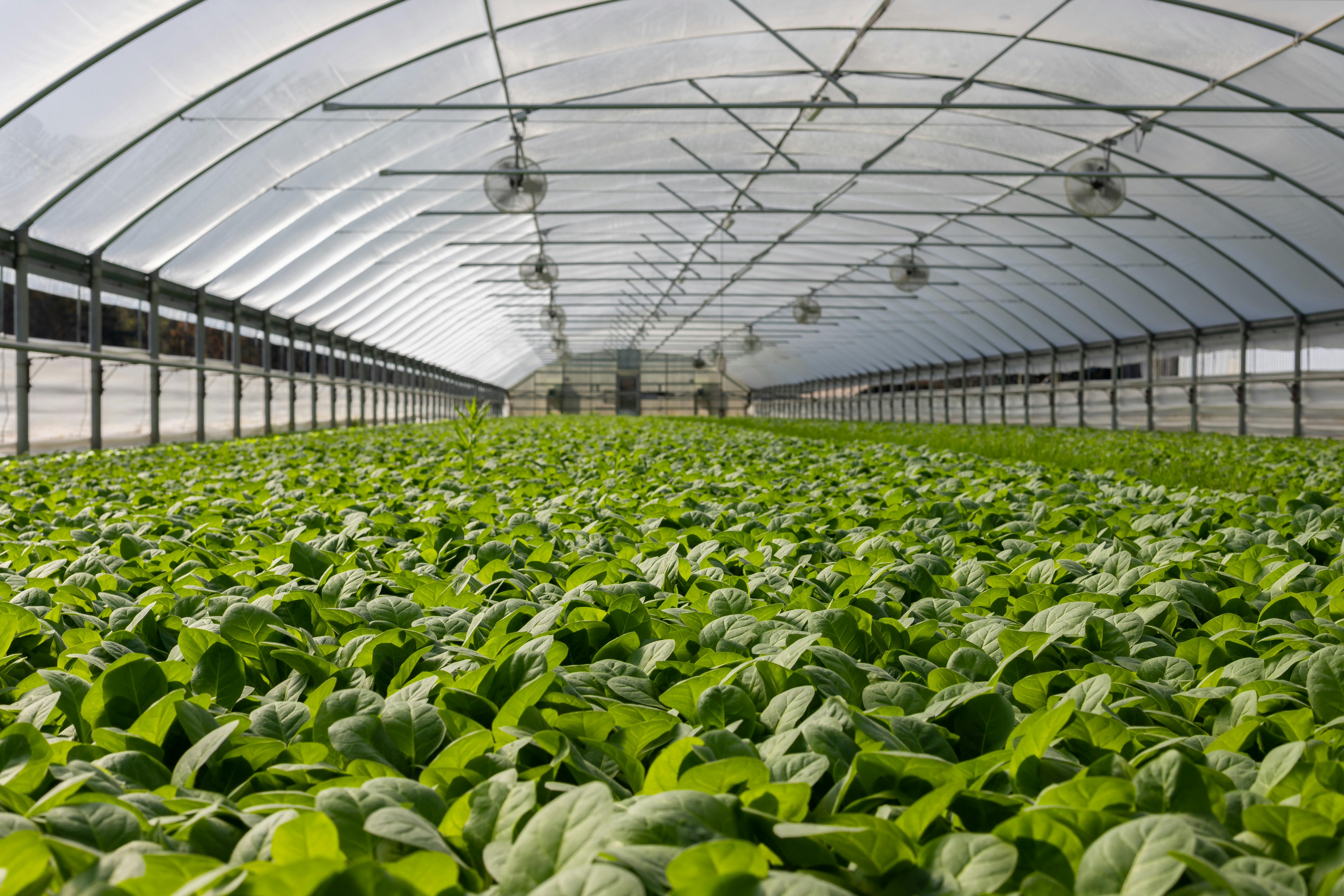
Manufacturing and Automotive: Industrial Opportunities
Manufacturing, particularly in automotive and machinery, offers Brazil investment opportunities with 8–12% returns. Investments in factories ($5–$50 million) benefit from Brazil’s industrial base, with Volkswagen’s $1.8 billion commitment to hybrid vehicles by 2026 highlighting potential, per Financial Post. Supply chain localization reduces import costs by 20%, appealing to experienced investors familiar with Brazil’s industrial landscape.
Risks include high labor costs under CLT, with $5,000 fines per violation affecting 10% of projects, and 10–12% interest rates on loans, delaying 20% of initiatives, per TheLatinvestor. Supply chain disruptions, common in 15% of projects, also pose challenges.
Mitigation includes partnering with local firms for labor compliance, reducing fines by 50%, and securing fixed-rate financing to hedge interest risks. Due diligence on suppliers prevents disruptions, while investing in automation reduces labor costs by 15%, ensuring stable returns.

Key Risks for Investors in Brazil
While Brazil offers high returns, foreign investors Brazil face several risks in 2026:
1. Regulatory Risks
Brazil’s complex bureaucracy delays 25% of investments by 6–12 months, with LGPD fines up to $50 million for data breaches, per ANPD. Unlike the U.S., where regulations are more streamlined, Brazil’s state-specific rules require careful navigation.
2. Economic Risks
Currency fluctuations (10–15% BRL vs. USD) and 4% inflation in 2024 reduce returns by 10–20%, per IMF. Commodity-dependent sectors like agribusiness face global price volatility.
3. Environmental and ESG Risks
ESG compliance is critical, with BRL 50,000 fines for deforestation affecting 15% of projects, per the Ministry of Environment. Non-compliance risks 20% contract losses with global buyers.
4. Operational Risks
Land disputes and infrastructure inefficiencies cost $50,000–$200,000 in 15% of projects, per Brazil Counsel. Labor shortages and logistics delays increase costs by 10–15%.
Understanding these risks is crucial for maximizing returns while enjoying Brazil’s vibrant investment climate, from its innovative tech hubs to its agricultural exports.
Mitigation Strategies for Success
Experienced foreign investors can adopt these strategies to manage risks for profitable investments in Brazil for 2026:
1. Comprehensive Due Diligence
Verify partners, land titles, and projects to avoid 90% of disputes, saving $50,000–$200,000, per Brazil Counsel. Local legal experts streamline approvals, reducing delays by 50%.
2. Local Partnerships
Collaborating with Brazilian firms navigates regulatory hurdles, cutting audit risks by 80%, per Deloitte. These partnerships provide market insights and stakeholder connections.
3. ESG Compliance
Adopting sustainable practices meets export standards, avoiding 20% contract losses, and enhances returns by 15–20% in green sectors, per PwC.
4. Financial Hedging
Hedging mitigates 80% of currency losses and stabilizes commodity prices, reducing volatility by 30%, per IMF. Fixed-rate financing protects against high interest rates.
5. Budget Planning
A 30% budget buffer for delays and disputes safeguards 25% of projects, per TheLatinvestor. Digital record-keeping and local logistics reduce operational costs by 15–25%.
These strategies ensure investors capitalize on Brazil’s opportunities while minimizing risks, aligning with the country’s economic growth and cultural vibrancy.
Real-World Success Stories
Real-world examples highlight the potential of profitable investments in Brazil for 2026, based on verified industry developments:
Volkswagen’s Hybrid Vehicle Investment
Volkswagen committed $1.8 billion to Brazil’s automotive sector for hybrid vehicles by 2026, per Financial Post. By partnering with local suppliers and hedging against 10–12% interest rates, the company mitigated 80% of currency risks, achieving stable 8–10% returns. This underscores the value of localization in manufacturing.
Renewable Energy Expansion
A European consortium invested in Brazil’s wind energy sector, leveraging R$270 billion in BNDES funding, per BNDES. Adopting ESG practices reduced environmental fines by 30%, securing 15% returns and long-term contracts. This highlights the importance of sustainability in renewables.
Tech Startup Growth in São Paulo
A U.S. venture capital firm invested $5 million in a São Paulo fintech startup, benefiting from 15% R&D tax credits, per EY. Due diligence on the startup’s team avoided 50% of regulatory delays, yielding 20% returns. This shows the potential of Brazil’s tech ecosystem for experienced investors.
Frequently Asked Questions
What are the most profitable investments in Brazil for 2026?
Renewable energy (10–15%), real estate (8–12%), technology (15–25%), agribusiness (10–15%), and manufacturing (8–12%) offer high returns, driven by government incentives and FDI, per Deloitte.
What risks do foreign investors face in Brazil?
Regulatory delays (6–12 months), currency fluctuations (10–15%), environmental fines (BRL 50,000), and land disputes ($50,000–$200,000) impact 20–25% of projects, per OECD.
How can regulatory risks be managed?
Due diligence on partners and projects avoids 90% of disputes, while local legal support reduces audit risks by 80%, per Brazil Counsel.
How do currency fluctuations affect investments?
BRL volatility (10–15%) reduces returns by 10–20%, but hedging stabilizes 80% of losses, per IMF.
Why is ESG compliance important?
Non-compliance risks BRL 50,000 fines and 20% contract losses, per Ministry of Environment. ESG practices enhance returns by 15–20%.
How do local partnerships benefit investors?
Partnerships reduce regulatory delays by 50% and costs by 20%, providing market insights, per TheLatinvestor.
What are the benefits of investing in Brazil in 2026?
Investors gain 8–25% returns, access to government incentives, and exposure to Brazil’s vibrant economy, from tech innovation to agricultural exports, per EY.
How can operational risks be minimized?
A 30% budget buffer and digital record-keeping reduce costs by 15–25% for infrastructure and land disputes, per PwC.
Contact Harcana Consulting
Navigating profitable investments in Brazil for 2026? Harcana Consulting offers expert guidance on due diligence, compliance, and risk mitigation. Contact us for tailored strategies to succeed in Brazil’s dynamic market.
Email: contact@h-arcana.com
Follow us on LinkedIn.