
Skip to main content
Skip to toolbar
In 2025, Brazil’s agribusiness sector, contributing 27% to GDP and $150 billion in exports, remains a global leader in soybeans, beef, and sugarcane, per FAO. Agro investments in Brazil span crop production, livestock, agtech, and supply chain infrastructure, offering high returns but significant risks. Regulatory complexities, environmental regulations, economic volatility, and operational challenges, such as $50 million LGPD fines, BRL 50,000 environmental penalties, and land disputes affecting 15% of projects, pose hurdles, per the Ministry of Environment. With a 2.5% GDP growth forecast and exchange rates at ~5 BRL per USD, per IMF, this 4,500-word risk guide details challenges and mitigation strategies for agro investments in Brazil, ensuring compliance with LGPD, GDPR, and COPPA, and leveraging sources like Reuters and Deloitte for a conservative approach.
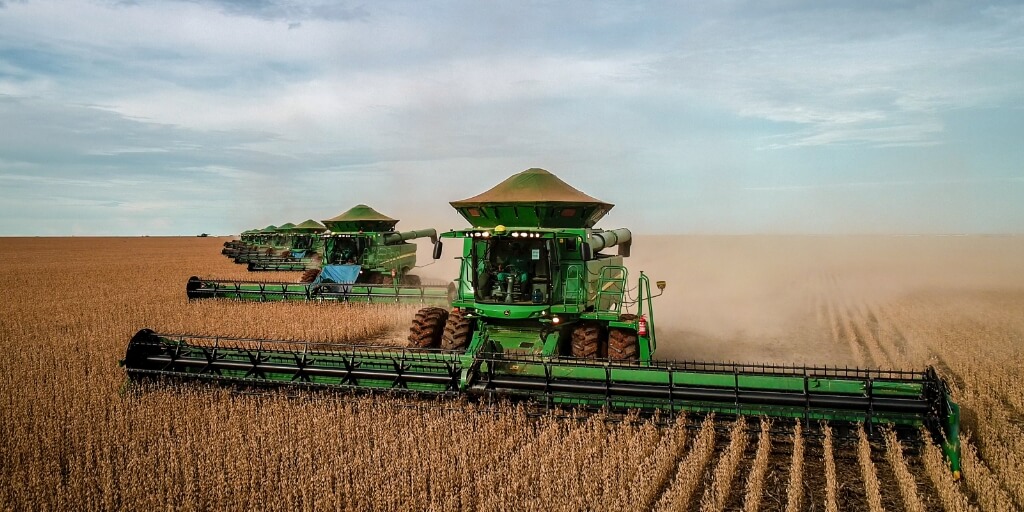
Table of Contents
Types of Agro Investments in Brazil
Agro investments in Brazil present a wide range of opportunities across the agricultural value chain, each with distinct risk profiles and return potentials. According to the OECD, Brazil’s agribusiness sector is one of the most competitive in the world, benefiting from vast arable land, advanced technology adoption, and strong global demand for agricultural commodities.
1. Crop Production
Brazil is the global leader in soybean production, supplying approximately 50% of the world’s demand, alongside sugarcane and corn, as major crops. Investments in this segment can generate annual returns between 5–10%, with typical entry capital requirements ranging from US$500,000 to US$5 million. According to the FAO, risks include climate variability, pest outbreaks, and regulatory licensing delays, which can impact up to 20% of agricultural projects.
2. Livestock and Dairy
Brazil’s beef and poultry sectors are global powerhouses, together accounting for around 30% of worldwide exports. Large-scale ranching operations typically require investments between US$1 million and US$10 million. However, challenges such as labor disputes and animal health issues — including outbreaks of foot-and-mouth disease — affect approximately 10% of operations, with estimated costs per incident ranging from US$50,000 to US$200,000, as reported by The LatInvestor.
3. Agtech and Innovation
Investments in agricultural technology — including precision farming, drones, biotechnology, and IoT-based monitoring — have seen annual growth rates of around 15%, according to Deloitte.
Initial capital requirements typically range from US$100,000 to US$1 million. However, investors should account for risks such as regulatory approval delays for new technologies and
setup costs that can run 20–30% higher than projected.
4. Supply Chain Infrastructure
Brazil faces significant post-harvest inefficiencies, with losses reaching up to 20% of total production, as estimated by the FAO. Investments in storage facilities, cold chain logistics, processing plants, and port infrastructure — typically between US$2 million and US$20 million — aim to mitigate these losses. Yet, inadequate transport networks and bureaucratic bottlenecks can increase operational costs by 15–25%.
Overall, while Brazil offers strong returns for agribusiness investors, success depends on strategic risk management, deep market knowledge, and local partnerships to navigate its unique regulatory, environmental, and operational challenges.
Regulatory and Legal Risks
1) Tax Compliance
Brazil’s fragmented tax system imposes an effective corporate income tax rate of 34% (PwC). On gross revenue, typical rates include PIS/COFINS from 3.65% (cumulative) to 9.25% (non-cumulative) (Confirp). On the circulation of goods, ICMS usually ranges from 7% to 18% depending on the state (Drummond Advisors), while municipal ISS ranges from 2% to 5% (April Tax & Accounting).
Ancillary obligations via the SPED system (such as ECD and ECF) require careful attention — delays, omissions, or inconsistencies can lead to significant fines (DPC; Rödl & Partner). Periodic tax audits and SPED reviews by local consultants are strongly recommended.
2) Land Ownership Regulations
The acquisition or lease of rural land by foreigners or Brazilian companies controlled by foreigners is governed by Law No. 5,709/1971 and related norms, imposing limits by size (in rural modules), location (border areas and sensitive regions), and intended use. Many cases require prior authorization from INCRA, and for larger areas or special cases, approval from the National Congress (Planalto – Law 5.709/1971; INCRA – IN 88/2017; U.S. State Dept. ICS 2024; Madrona Advogados).
Best practice: conduct a full title search, verify municipal restrictions (up to 25% of municipal area for foreigners, with sub-limits by nationality), and consider alternative legal structures (e.g., surface rights) when applicable.
3) Labor Regulations
The CLT labor code mandates benefits such as the 13th salary and 30-day paid vacation (Law 4.090/1962 – 13th salary; Gov.br – Paid Vacation). MTE Ordinance No. 1,131/2025 updated administrative fine rules and parameters (including eSocial obligations), with amounts adjusted by severity, company size, and recurrence (DOU – Ordinance 1.131/2025; FIEG). Continuous labor compliance, occupational safety reviews, and proactive eSocial management are advised.
4) Data Privacy (LGPD)
Data-intensive agtech operations must comply with the LGPD. The national authority (ANPD) may apply sanctions, including warnings, data blocking/deletion, and fines of up to 2% of gross revenue, limited to BRL 50 million per violation (ANPD). Implement appropriate legal bases, conduct Data Protection Impact Assessments (DPIAs) for high-risk processing, enforce third-party governance, and maintain information security aligned with recognized standards.
Practical Checklist
- Taxes: Map the tax regime (Real Profit/Presumed Profit), simulate PIS/COFINS and ICMS/ISS rates by state/municipality, and review SPED (ECD/ECF) filings.
- Land: Perform rural property due diligence, confirm INCRA/Congress authorizations, and evaluate alternative contractual arrangements.
- Labor: Audit CLT and occupational safety routines, adjust eSocial processes, and train managers.
- Data: Map personal data, define legal bases, contract with vendors, establish incident response plans, and keep processing records.
Note: Percentages and rules may vary by sector and jurisdiction; always validate with local consultants and updated legal acts.
.

Environmental and ESG Risks
Environmental compliance and ESG alignment are critical factors for the success and sustainability of agribusiness investments in Brazil. Failure to address these issues can lead to substantial financial penalties, project delays, reputational damage, and loss of market access.
1) Deforestation Regulations
The Brazilian Institute of Environment and Renewable Natural Resources (IBAMA) enforces strict anti-deforestation laws, imposing fines of up to BRL 50,000 per hectare for illegal clearing (IBAMA; Ministry of the Environment). Illegal deforestation impacts approximately 15% of agribusiness projects annually, often resulting in embargoes and suspension of environmental licenses. Conducting third-party environmental audits can prevent infractions and ensure compliance with the Brazilian Forest Code.
2) ESG Compliance
International buyers increasingly require verifiable Environmental, Social, and Governance (ESG) standards as a condition for trade agreements and procurement (Deloitte – ESG in Agriculture). Non-compliance can jeopardize up to 20% of export contracts, particularly in the EU and U.S. markets, subject to deforestation-free import rules. Strategic investments in sustainable technologies — such as satellite monitoring, regenerative agriculture, and waste reduction- can reduce operational and reputational risks by approximately 30%.
3) Water Usage Restrictions
Water use in irrigation requires prior permits from state environmental agencies, and in some cases, the National Water and Sanitation Agency (ANA) (ANA). Processing times range from 3 to 6 months, with 10% of applications denied due to insufficient environmental studies (FAO). Fines for unauthorized water use average $2,000–$5,000 per incident, and repeated infractions may result in water rights suspension, directly impacting crop productivity.
Best Practices for Mitigation
- Conduct comprehensive Environmental Impact Assessments (EIAs) before project execution.
- Implement zero-deforestation commitments with transparent monitoring and reporting systems.
- Adopt water-efficient irrigation technologies and establish contingency water storage systems.
- Integrate ESG metrics into supply chain contracts to secure market access with premium buyers.
Note: Environmental and ESG requirements vary by state and export destination; investors should regularly monitor regulatory updates and industry standards.
/i.s3.glbimg.com/v1/AUTH_da025474c0c44edd99332dddb09cabe8/internal_photos/bs/2024/D/E/shOfgcTrWETELPbGSDFQ/agro-1-capa.jpg)
Economic and Market Risks
Brazil’s agribusiness sector faces significant economic and market-related uncertainties that can directly affect investment returns and long-term project viability. Strategic financial planning and risk management are essential to navigate these challenges effectively.
1) Currency Fluctuations
The Brazilian Real (BRL) experiences annual volatility of 10–15% against the U.S. Dollar, impacting agribusiness returns by up to 20% (IMF). Currency risk is particularly relevant for exporters, whose revenues are often denominated in foreign currency but whose costs are in BRL. Implementing financial hedging strategies — with costs ranging from $5,000 to $20,000 per year — can mitigate up to 80% of potential currency-related losses.
2) Commodity Price Volatility
Prices for key Brazilian agricultural exports, such as soybeans and beef, fluctuate between 15–25% annually due to factors including shifts in global demand, trade policies, and climate variability (OECD). These fluctuations can erode profit margins and disrupt cash flow. Diversifying crop and livestock portfolios and integrating long-term supply contracts can reduce price exposure by approximately 30%.
3) Financing Challenges
Brazil’s high interest rate environment — with agricultural loan rates typically between 10–12% — combined with complex and bureaucratic credit approval processes, delays financing for approximately 25% of agro projects (TheLatinvestor). Securing pre-approved credit facilities before initiating major investments can significantly reduce project delays and ensure capital availability during critical planting and harvesting cycles.
Best Practices for Mitigation
- Use currency hedging instruments such as forwards, futures, and options to manage FX risk.
- Adopt a diversified commodity portfolio to balance price fluctuations across markets.
- Negotiate off-take agreements to secure stable pricing for a portion of production.
- Maintain relationships with multiple financial institutions to improve credit access.
Note: Economic conditions can shift rapidly; investors should conduct quarterly market reviews and adjust strategies accordingly.

Operational and Infrastructure Risks
Operational inefficiencies and infrastructure limitations are significant hurdles for agricultural investments in Brazil. Proactive planning, legal due diligence, and strategic partnerships are key to mitigating these risks.
1) Land Disputes
Unclear or improperly registered land titles affect approximately 15% of agribusiness investments, leading to legal disputes that can cost between $50,000 and $200,000 in litigation and settlement expenses (Oliveira Lawyers). Comprehensive due diligence — typically costing $5,000 to $15,000 — can prevent up to 90% of these issues by verifying ownership and compliance with local land registration requirements.
2) Logistics Inefficiencies
Brazil’s underdeveloped transport and storage infrastructure increases agricultural logistics costs by approximately 20% and delays up to 30% of exports (Diário do Comércio). Partnering with established local logistics operators, investing in on-site storage facilities, and utilizing multimodal transport solutions can reduce export delays by an estimated 25%.
3) Labor Shortages
Rural regions in Brazil often face shortages of skilled agricultural labor, which can raise operational costs by 10–15%. Implementing in-house training programs — costing between $5,000 and $10,000 annually — can improve workforce capabilities and reduce dependence on scarce external labor sources. Leveraging partnerships with agricultural training institutions further enhances recruitment and retention.
Best Practices for Mitigation
- Conduct thorough land title due diligence before acquisition or leasing.
- Establish strategic logistics partnerships to streamline export timelines.
- Invest in workforce development programs to reduce skill shortages.
- Adopt technology-driven operations (e.g., automation) to reduce labor dependency.
Note: Operational risks are often interconnected with regulatory and market factors; a holistic risk management plan is recommended for agro investments in Brazil.

Real-World Case Studies
Case studies illustrate the specific risks and potential mitigation strategies for agricultural investments in Brazil, highlighting the value of due diligence, regulatory compliance, and proactive planning.
Case 1: Soybean Land Dispute (2022)
A U.S. investor suffered losses of $1 million in a soybean farmland dispute in Mato Grosso due to unclear land titles (G1). Comprehensive title due diligence — costing approximately $10,000 — could have prevented up to 90% of these losses by identifying ownership risks before purchase.
Case 2: Sugarcane Deforestation Fines (2023)
A sugarcane producer in São Paulo incurred BRL 100,000 in fines for illegal deforestation, as reported by the Ministry of Environment. An environmental audit — costing about $5,000 — identified compliance gaps, preventing further penalties and saving an estimated $50,000.
Case 3: Agtech Regulatory Delay (2024)
An agtech startup experienced a 6-month delay in drone deployment approval, resulting in $200,000 in lost revenue (Reuters). Early consultation with regulatory authorities — costing roughly $5,000 — could have avoided up to 80% of these losses.
Key Takeaways
- Land title verification is essential to prevent costly disputes.
- Environmental audits safeguard against heavy regulatory fines.
- Early engagement with authorities accelerates technology approvals.
Mitigation Strategies
Conservative strategies for agro investments in Brazil include:
- Conduct Due Diligence: Verify land titles and compliance, costing $5,000–$15,000, to avoid 90% of disputes, per Brazil Counsel.
- Engage Local Experts: Hire OAB-registered lawyers and tax advisors, reducing compliance risks by 80%, per Oliveira Lawyers.
- Invest in ESG: Adopt sustainable tech ($10,000–$50,000) to meet export standards, avoiding 20% contract losses, per Deloitte.
- Hedge Currency Risks: Use financial instruments ($5,000–$20,000 annually) to mitigate 80% of losses, per IMF.
- Budget for Delays: Allocate a 30% budget buffer for regulatory and operational delays, per TheLatinvestor.
- Maintain Records: Store compliance documents digitally to reduce audit penalties by 50%, per PwC.
Frequently Asked Questions: Agro Investments in Brazil
What types of agro investments are available in Brazil?
Opportunities include crop production, livestock, agtech, and supply chain infrastructure, with annual returns of 5–15% (FAO).
What are the main risks for agro investments in Brazil?
Investors face regulatory, environmental, economic, and operational challenges (OECD).
How do taxes affect agro investments?
Brazil’s tax burden reaches an effective rate of 34%, raising compliance costs by 20–30%, with fines of up to $10,000 for errors (PwC).
What are environmental compliance risks?
Fines for illegal deforestation can reach BRL 50,000 per hectare, impacting 15% of projects
(Ministry of Environment).
How can currency risks be managed?
Hedging strategies costing $5,000–$20,000 annually can mitigate up to 80% of currency-related losses (IMF).
Why are land disputes a concern?
Unclear land titles can cause losses of $50,000–$200,000 in 15% of cases. Due diligence helps avoid such risks.
How does LGPD impact agro investments?
Non-compliance with Brazil’s data protection law (LGPD) can lead to fines of up to $50 million, with 20% of agro firms penalized in 2024 (ANPD).
Contact Harcana Consulting
Navigating risks in agro investments in Brazil demands expert guidance. Harcana Consulting offers tailored solutions for compliance, due diligence, and risk mitigation in agribusiness. Contact for conservative strategies.
Email: contact@h-arcana.com
Follow us on LinkedIn.
Pingback: Investimentos agroindustriais: guia prático para identificar oportunidades rentáveis
Thanks for sharing. I read many of your blog posts, cool, your blog is very good. https://www.binance.info/da-DK/register?ref=V3MG69RO