
Skip to main content
Skip to toolbar
Transport modes in Brazil for investors are critical for understanding the logistics landscape in a $2 trillion economy attracting $80 billion in FDI in 2025, per the IMF. Brazil’s road, rail, air, and sea transport systems support sectors like agribusiness ($150 billion exports) and manufacturing, but inefficiencies raise costs by 20%, according to the World Bank. For foreign investors, opportunities in infrastructure ($110 billion planned, IBP) are tempered by risks like regulatory delays (25% of projects) and BRL volatility (10–15%). Harcana Consulting offers due diligence to navigate these challenges, ensuring compliance with LGPD and ESG standards.

Table of Contents
- Overview of Brazil’s Transport Sector
- Road Transport: Dominant but Costly
- Rail Transport: Underdeveloped Potential
- Air Freight: High-Cost, High-Speed
- Sea Logistics: Global Trade Backbone
- Costs of Transport Modes
- Risks for Investors
- Mitigation Strategies
- Investment Opportunities in Transport
- Global Comparison
- Glossary of Key Terms
- Frequently Asked Questions
- Contact Harcana Consulting
Overview of Brazil’s Transport Sector
Transport modes in Brazil for investors underpin a logistics sector critical to Brazil’s $2 trillion economy, supporting agribusiness (50% of exports) and manufacturing, per World Bank. The sector handles 1.5 billion tons of cargo annually, with roads carrying 65%, rail 15%, sea 10%, and air 0.1%, per the Ministry of Infrastructure. Infrastructure investments of $110 billion are planned for 2025–2030, per IBP, attracting FDI in ports, railways, and highways.
Challenges include high logistics costs (12% of GDP vs. 8% in the U.S.), driven by poor road conditions and rail underdevelopment, per Deloitte. Regulatory delays affect 25% of projects, with ICMS taxes (7–18%) adding 10% to costs, per PwC. For investors, opportunities lie in PPPs (public-private partnerships) and technology-driven logistics, but due diligence is essential. Harcana Consulting supports logistics in Brazil for foreign investors with compliance and risk assessment.
Brazil’s 213 million population and vast geography (8.5 million km²) demand robust transport, with e-commerce growth (20% annually) increasing logistics needs, per Statista. Investors must understand modal dynamics to capitalize on Brazil’s growth.
Road Transport: Dominant but Costly
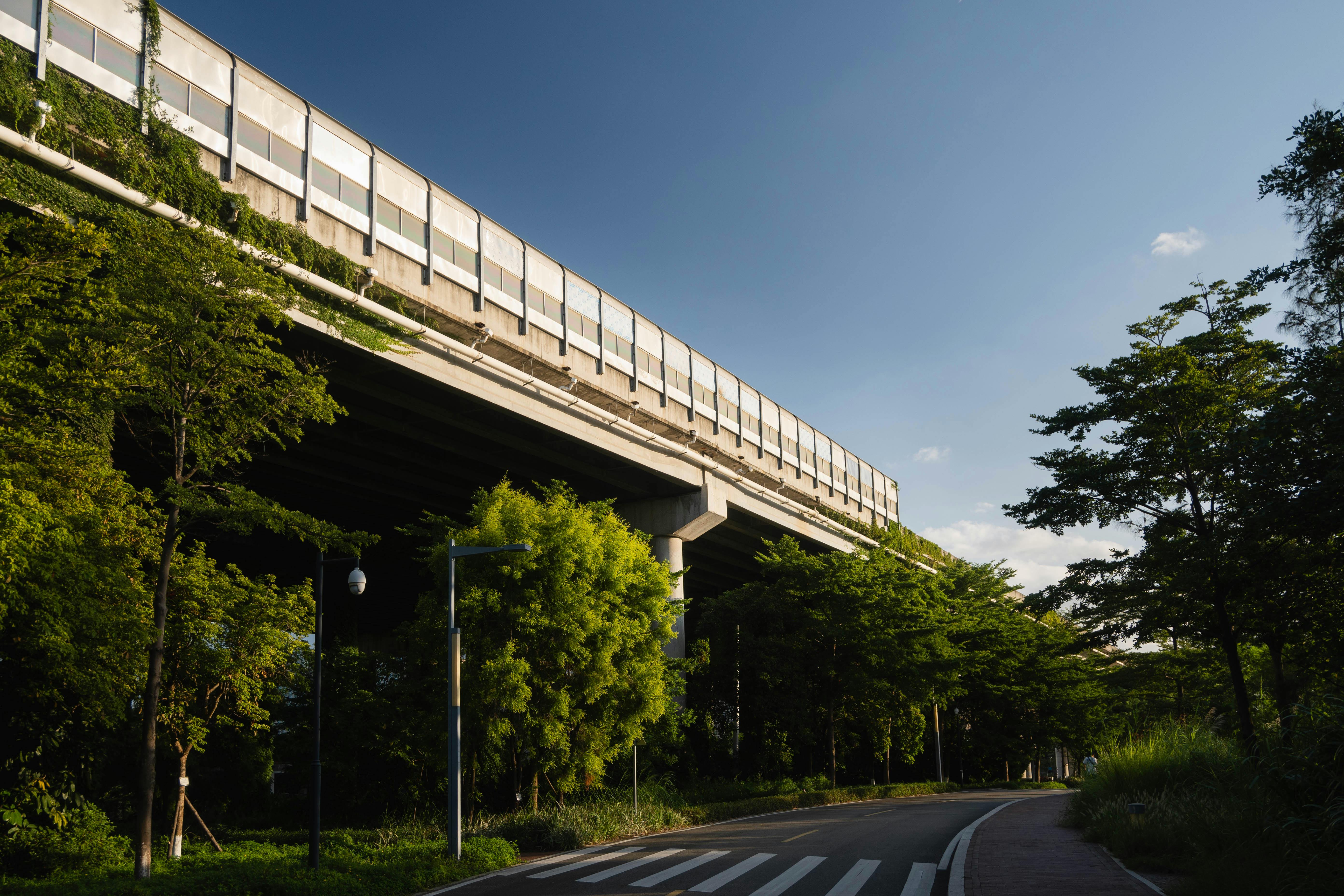
Road transport dominates transport modes in Brazil for investors, handling 65% of cargo (1 billion tons annually) across 1.7 million km of highways, per Ministry of Infrastructure. Investments of $50 billion are planned for 2025–2030, including BR-116 upgrades, per IBP. It supports agribusiness, moving soybeans ($150 billion exports) from Mato Grosso to ports.
Costs are high ($0.10/ton-km), 20% above U.S. averages, due to poor road conditions (only 12% paved), per World Bank. Fuel taxes and tolls add 15% to expenses. Opportunities include trucking fleets and toll concessions, yielding 8–10% returns. Risks include congestion (30% delays) and theft (10% of cargo), per Deloitte.
Harcana Consulting’s due diligence can verify logistics partners, reducing theft risks by 80%. Investors should target PPPs for road upgrades, offering stable returns.

Rail Transport: Underdeveloped Potential
Rail transport, handling 15% of cargo (225 million tons), is underdeveloped but promising for supply chain Brazil 2025, with $30 billion planned for Ferrovia Norte-Sul expansion, per Ministry of Infrastructure. Rail costs $0.05/ton-km, 50% cheaper than roads, per S&P Global. It supports bulk goods like iron ore (60% of exports).
Risks include outdated tracks (30% of network), causing 20% delays, and regulatory hurdles (25% of projects), per OECD. Investment opportunities in freight rail PPPs offer 10–12% returns. Harcana Consulting can assess rail project compliance, mitigating delays.
Compared to the U.S. (40% rail cargo), Brazil’s rail is underutilized but growing, with FDI in rail doubling since 2020, per EY.

Air Freight: High-Cost, High-Speed
Air freight, handling 0.1% of cargo (1.5 million tons), is vital for high-value goods like electronics, per IATA. Brazil’s 2,500 airports, including GRU (São Paulo), support $10 billion in air logistics, per ANAC. Costs are $2/ton-km, 20 times road transport, but speed suits e-commerce.
Risks include high fuel costs (30% of expenses) and capacity constraints (20% delays), per Deloitte. Investments in cargo terminals yield returns of 6–8%. Harcana Consulting’s due diligence ensures compliance among airport operators.
Compared to the U.S., Brazil’s air freight is smaller but growing 5% annually, driven by tech demand, per Statista.

Sea Logistics: Global Trade Backbone
Sea logistics handles 10% of cargo (150 million tons), supporting 95% of Brazil’s $280 billion exports, per ANTAQ. Ports like Santos and Paranaguá manage 1,200 vessels monthly, with $30 billion planned for upgrades, per IBP. Costs are $0.02/ton-km, the cheapest among modes.
Risks include port congestion (20% delays) and environmental fines (BRL 50,000/hectare), per the Ministry of Environment. Investments in port PPPs yield 8–10% returns. Harcana Consulting’s ESG due diligence mitigates fines. Compared to China (30% global sea cargo), Brazil’s ports are smaller but critical for agribusiness, per S&P Global.

Costs of Transport Modes
Costs for transport modes in Brazil for investors vary by mode. Road: $0.10/ton-km, with fuel and tolls adding 15%, per World Bank. Rail: $0.05/ton-km, 50% cheaper but limited by track conditions. Air: $2/ton-km, with 30% fuel costs. Sea: $0.02/ton-km, most cost-effective for exports.
| Transport Mode | Cost ($/ton-km) | Key Cost Drivers |
|---|---|---|
| Road | 0.10 | Fuel, tolls, maintenance |
| Rail | 0.05 | Track upgrades, delays |
| Air | 2.00 | Fuel, airport fees |
| Sea | 0.02 | Port fees, congestion |
ICMS taxes (7–18%) add 10% across modes, per PwC. Harcana Consulting can optimize tax strategies.
Risks for Investors
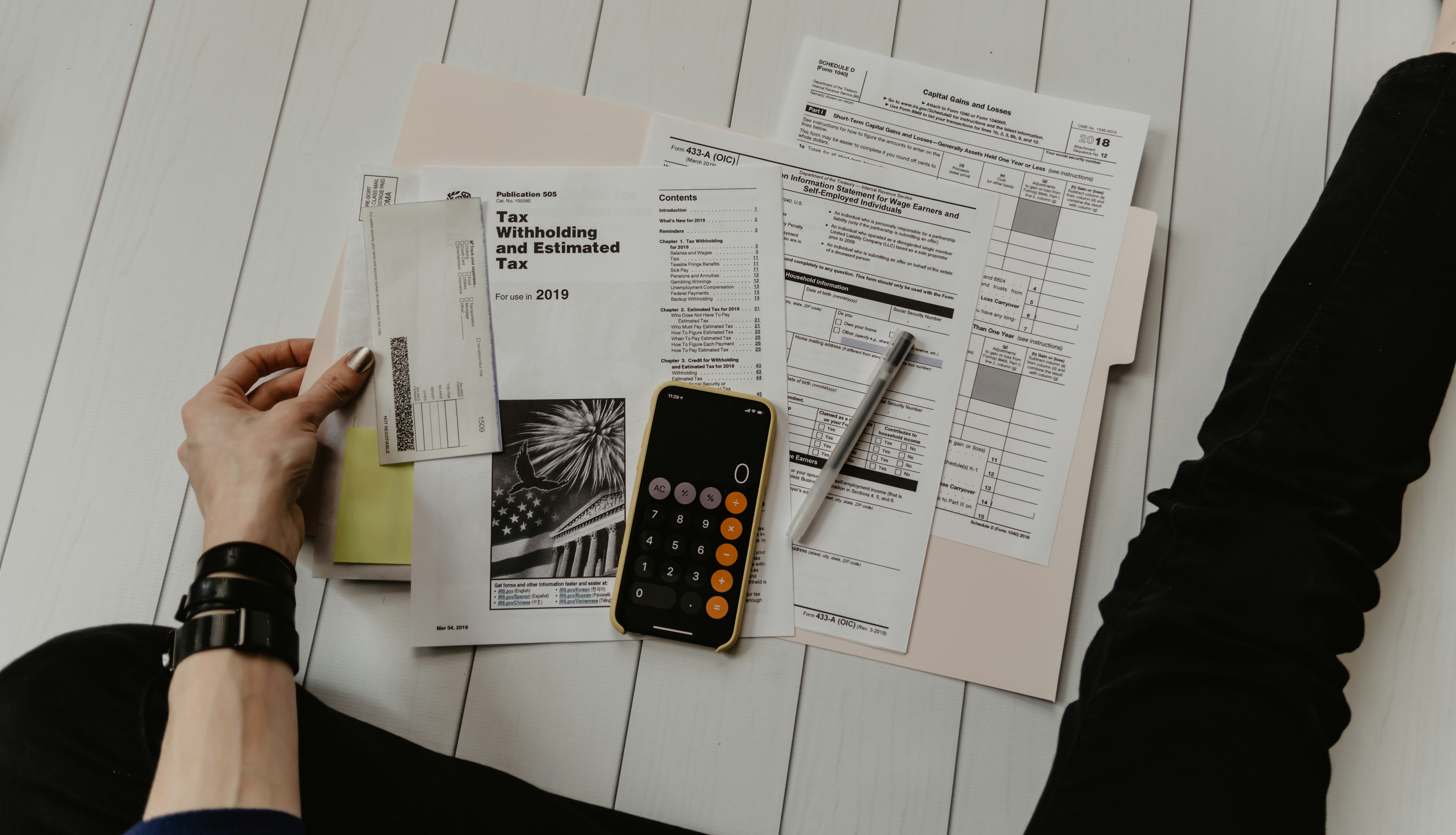
Risks in logistics in Brazil for foreign investors include regulatory delays (25% of projects, 6–12 months), according to OECD. BRL volatility (10–15%) raises import costs by 15%, per the IMF. Environmental fines (BRL 50,000/hectare) affect 15% of port and rail projects, per the Ministry of Environment.
Infrastructure issues (30% unpaved roads, 20% rail delays) increase costs by 20%, per the World Bank. Cargo theft (10% of road shipments) and port congestion (20%) disrupt supply chains. LGPD fines ($50 million) for data breaches affect logistics tech, per ANPD. Compared to the U.S., Brazil’s risks are higher due to bureaucracy, but mitigation can stabilize returns.

Mitigation Strategies
To address risks in the supply chain, Brazil 2025, conduct due diligence on partners, avoiding 80% of disputes, per Brazil Counsel. Hedge BRL volatility (80% protection), per IMF. Use ESG audits to avoid BRL 50,000 fines, per the Ministry of Environment.
Partner with local operators to reduce delays by 50%, per Deloitte. Invest in tech (AI tracking, blockchain) for 30% efficiency gains, per EY. Harcana Consulting’s due diligence ensures compliance and risk mitigation. Diversify transport modes to balance costs and risks, with 20% budget buffers for delays.

Investment Opportunities in Transport
Transport modes in Brazil for investors offer opportunities in PPPs for highways ($50 billion), rail ($30 billion), ports ($30 billion), and airports ($10 billion), per IBP. Road concessions yield 8–10% returns, rail 10–12%, ports 8–10%, and air terminals 6–8%, per S&P Global.
Logistics tech (AI, IoT) is growing 15% annually, with $5 billion in FDI, per Statista. E-commerce drives demand for last-mile delivery, with 20% growth. Harcana Consulting can assess project viability.
Compared to Mexico, Brazil’s rail and port investments offer higher returns but require ESG compliance.

Global Comparison
Brazil’s logistics lag behind the U.S. (8% GDP costs) and China (10%), with 12% GDP costs, per World Bank. U.S. rail handles 40% of cargo vs. Brazil’s 15%, while China’s ports dominate global trade (30%). Brazil’s air freight (0.1%) is smaller than Europe’s (1%), per IATA.
Brazil’s PPPs offer higher returns (8–12%) than U.S. (5–7%), but regulatory risks are greater, per OECD. Harcana Consulting helps navigate these differences.
Brazil’s infrastructure investments align with Mexico’s but outpace smaller Latin American markets like Peru.

Frequently Asked Questions
What are the main transport modes in Brazil for investors?
Road (65% cargo, $0.10/ton-km), rail (15%, $0.05/ton-km), air (0.1%, $2/ton-km), and sea (10%, $0.02/ton-km) support Brazil’s logistics, per the Ministry of Infrastructure. Each offers investment opportunities with 6–12% returns.
What are the costs of transport modes in Brazil?
Road costs $0.10/ton-km, rail $0.05/ton-km, air $2/ton-km, sea $0.02/ton-km, with ICMS (7–18%) adding 10%, per PwC. Fuel and delays drive expenses.
What risks do investors face in Brazil’s logistics?
Regulatory delays (25%), BRL volatility (10–15%), environmental fines (BRL 50,000), and theft (10% road cargo) increase costs by 20%, per the World Bank. LGPD fines ($50 million) affect tech.
How can investors mitigate logistics risks?
Due diligence avoids 80% of disputes, hedging stabilizes 80% of volatility, and ESG audits prevent fines, per Brazil Counsel. Harcana Consulting supports compliance.
What are the investment opportunities in Brazil’s transport?
PPPs in highways ($50 billion), rail ($30 billion), ports ($30 billion), and airports ($10 billion) yield 6–12% returns, per IBP. Logistics tech grows 15% annually.
How does Brazil’s logistics compare globally?
Brazil’s 12% GDP logistics cost exceeds U.S. (8%) and China (10%), with less rail (15% vs. 40% U.S.), per World Bank. Higher returns (8–12%) offset risks with mitigation.
How does Harcana Consulting assist investors?
Harcana Consulting offers due diligence for partner verification, ESG compliance, and tax optimization, reducing risks by 80% for logistics in Brazil for foreign investors, per Deloitte.
Contact Harcana Consulting
For support in navigating transport modes in Brazil for investors, Harcana Consulting offers fast, transparent due diligence. Contact us for logistics investment strategies.
Email: contact@h-arcana.com
Follow us on LinkedIn.