
Skip to main content
Skip to toolbar
Counterfeiting of alcoholic beverages in Brazil is a pervasive issue that poses serious risks to public health, the economy, and brand integrity, with illicit alcohol accounting for up to 36% of the market in 2024, per a USP study. For foreign readers, understanding this problem is crucial, as it affects tourism, business investments, and consumer safety in a country known for its vibrant beverage industry, including cachaça and beer. This guide explores the nature of alcohol counterfeiting in Brazil cases, historical and current examples, risks, and mitigation strategies, drawing on mainstream sources like Reuters, G1, and Interpol. Harcana Consulting offers due diligence to help businesses mitigate these risks through transparent investigations.
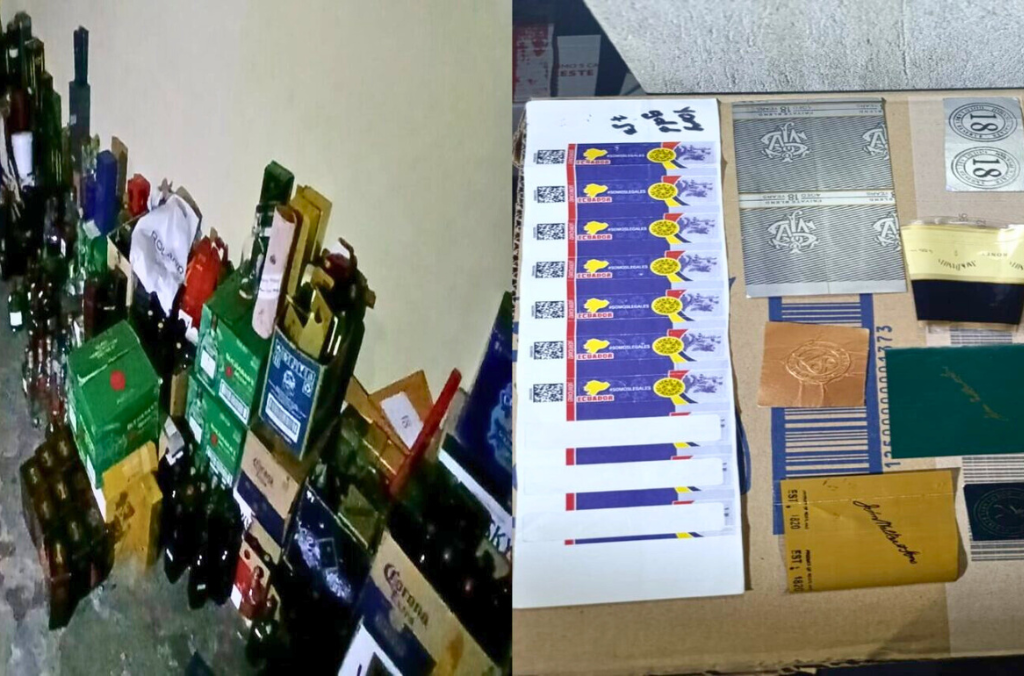
Table of Contents
- What is Alcohol Counterfeiting?
- Importance for Foreign Readers
- Historical Cases of Alcohol Counterfeiting in Brazil
- Current Cases of Alcohol Counterfeiting in Brazil
- Risks of Alcohol Counterfeiting in Brazil
- Mitigation Strategies for Alcohol Counterfeiting
- The Economic Impact of Alcohol Counterfeiting in Brazil
- Global Perspective on Alcohol Counterfeiting
- Frequently Asked Questions
- Contact Harcana Consulting
What is Alcohol Counterfeiting?
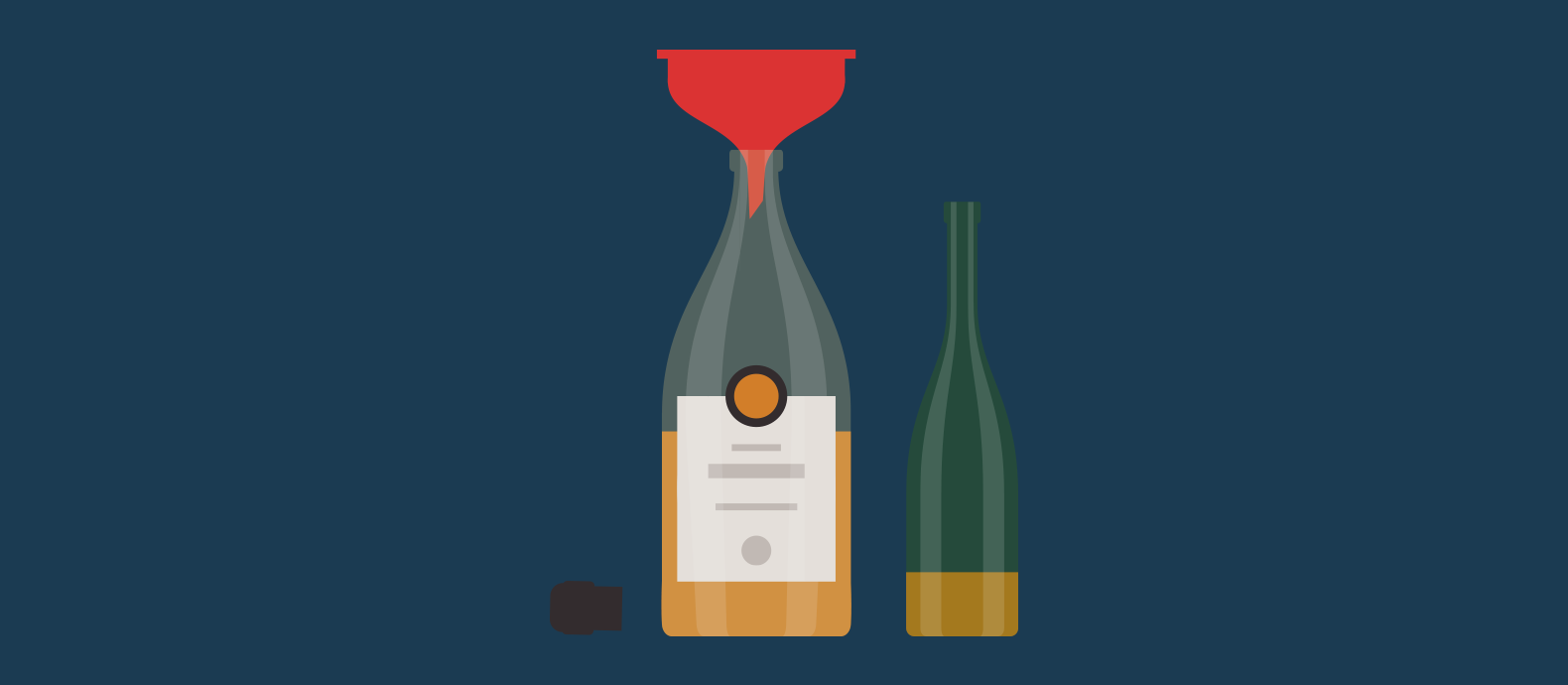
Alcohol counterfeiting cases involve the production, distribution, and sale of fake or adulterated alcoholic drinks, often using methanol or industrial alcohol, which can be deadly, as seen in recent incidents. Counterfeit alcohol is typically made to resemble legitimate brands, using refilled authentic bottles or cheap imitations, per Red Points. In Brazil, this includes whiskey, vodka, and local spirits like cachaça, with counterfeiters targeting high-end markets to maximize profits, per Interpol.
The process often involves importing cheap alcohol from neighboring countries like Paraguay or Bolivia, relabeling it, and selling it through bars, restaurants, and online platforms, per the OECD report on Illicit Trade in High-Risk Sectors. Fake alcohol risks extend beyond financial losses, including health hazards from toxic substances like methanol, which can cause blindness or death. Harcana Consulting’s reputational due diligence can help identify these risks for foreign investors in the beverage sector.
Globally, counterfeit alcohol markets are estimated at $4.3 billion, with Latin America, including Brazil, accounting for a significant portion, per Euromonitor. In Brazil, the problem is exacerbated by porous borders and high taxes on legal alcohol (up to 80%), making illicit products attractive, per the Brazilian Association to Combat Counterfeiting.
Importance for Foreign Readers
For foreign readers, counterfeiting of alcoholic beverages in Brazil is important to understand when traveling or investing, as fake alcohol can lead to health emergencies, with methanol poisoning causing over 100 deaths annually in Latin America, per the WHO. Tourists often encounter counterfeit drinks in bars and restaurants, risking severe illness from adulterated products like whiskey or vodka, as reported in Interpol’s Operation Opson.
From an investment perspective, counterfeit alcohol affects U.S. brands in Brazil, with fake Johnnie Walker or Jack Daniel’s reducing market share by 15–20%, per Red Points. This leads to revenue losses and brand damage for foreign companies. Harcana Consulting’s due diligence can help identify and mitigate these risks for investors.
The economic impact is massive, with Brazil losing R$280 billion annually to counterfeiting across sectors, per OECD, including $80 billion in alcohol. Foreign readers should be aware of safe consumption and business decisions, especially with Brazil’s tourism industry valued at $8 billion.

Historical Cases of Alcohol Counterfeiting in Brazil
Historical alcohol counterfeiting Brazil cases date back to the 1990s, but a notable example is the 2015 seizure of over 10,000 bottles of counterfeit Scotch whiskey in São Paulo, valued at $500,000, per BBC. The operation revealed a network importing cheap spirits from Paraguay and relabeling them as premium brands like Johnnie Walker, affecting 50 bars and restaurants. Authorities arrested 15 people, highlighting the scale of organized crime in counterfeit alcohol.
In 2018, Brazilian police busted a counterfeit wine ring importing cheap wine from Argentina and relabeling it as high-end labels like Penfolds Grange and Chateau Latour, per Wine Spectator. The scheme involved 30 companies and $2 million in fake wine, leading to 20 arrests and exposing vulnerabilities in supply chains. This case underscored the health risks, as some wines contained harmful additives.
The 2017 Operation Opson VI, coordinated by Interpol and Europol, seized 26.4 million liters of counterfeit alcohol globally, with Brazil contributing thousands of liters of fake whiskey and vodka, valued at €230 million, per Interpol. In Brazil, the operation targeted warehouses in Rio and São Paulo, revealing counterfeit networks linked to organized crime, with 104 arrests across South America. This historic operation showed how counterfeit alcohol funds other crimes like drug trafficking.
In 2019, a local craft beer counterfeiting scheme in Brazil led to deaths from adulterated beer, per the Center for Alcohol Policy report. At least two men died from drinking fake local craft beer containing methanol, prompting investigations into 20 breweries and highlighting the dangers of unregulated production.
The 2020 COVID-19 pandemic saw a rise in fake alcohol, with ANVISA seizing 100,000 doses of counterfeit vaccines and related alcohol products, per WHO. While primarily focused on vaccines, the operation uncovered fake disinfectants and alcohol, affecting 50 companies and causing health risks. These historical cases illustrate the evolution of fake alcohol Brazil risks from simple relabeling to sophisticated organized crime networks, emphasizing the need for ongoing vigilance.

Current Cases of Alcohol Counterfeiting in Brazil
Current alcohol counterfeiting Brazil cases in 2024-2025 demonstrate the ongoing threat. In September 2025, three people died in São Paulo from methanol-laced spirits, with 16 suspected cases involving blindness and comas, per Plataforma Media. The incident prompted a federal investigation into 50 companies distributing adulterated whiskey and vodka, highlighting the health risks of counterfeit alcohol.
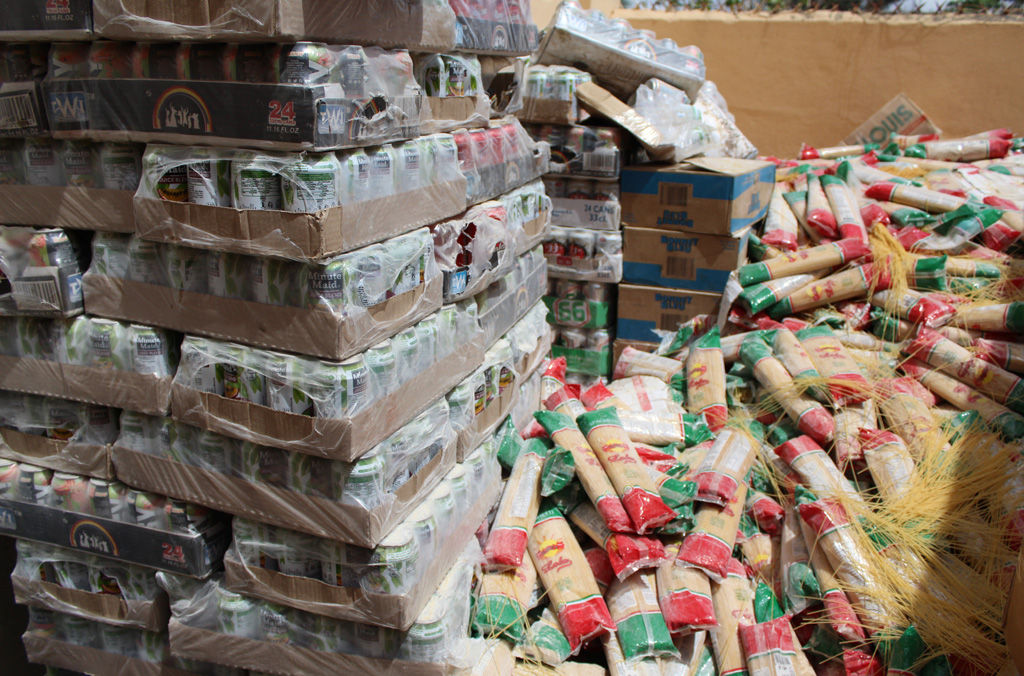
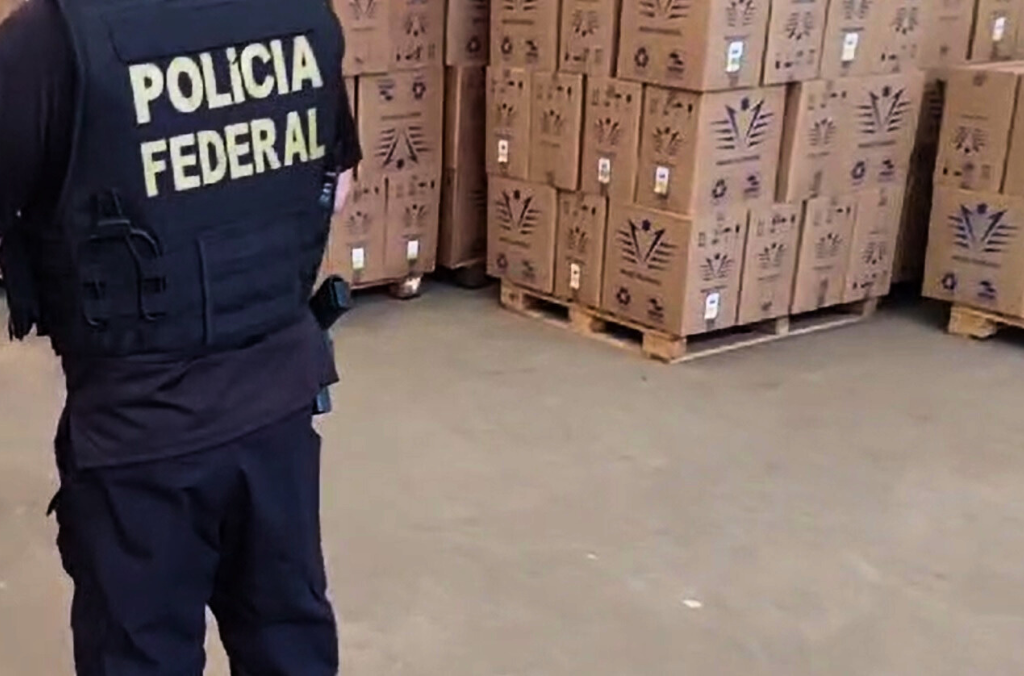
In 2024, Operation Fake Goods seized R$ 3.7 billion in counterfeit products, including alcoholic beverages, per Montaury Pimenta. The operation, involving the Federal Police, targeted warehouses in São Paulo, uncovering 100 companies involved in relabeling cheap spirits as premium brands. This led to 200 arrests and exposed a network importing from Paraguay, with losses to legitimate brands estimated at $100 million.
The USP study in 2024 revealed that 36% of distilled spirits sold in Brazil are counterfeit, per Reddit discussions and Abrabe estimates. This includes vodka and whiskey, with 81.5 million liters of illicit fermented alcohol in 2023, rising 0.1% from previous years, per Movendi International. The study highlighted the economic impact, with losses of R$ 10 billion to the industry.
In June 2025, the WTR report on anti-counterfeiting in Brazil noted the evolution of illicit trade channels, with counterfeit alcohol seized in operations like Opson, per World Trademark Review. Customs authorities intercepted $2.5 million in fake whiskey at ports, involving 30 companies linked to organized crime.
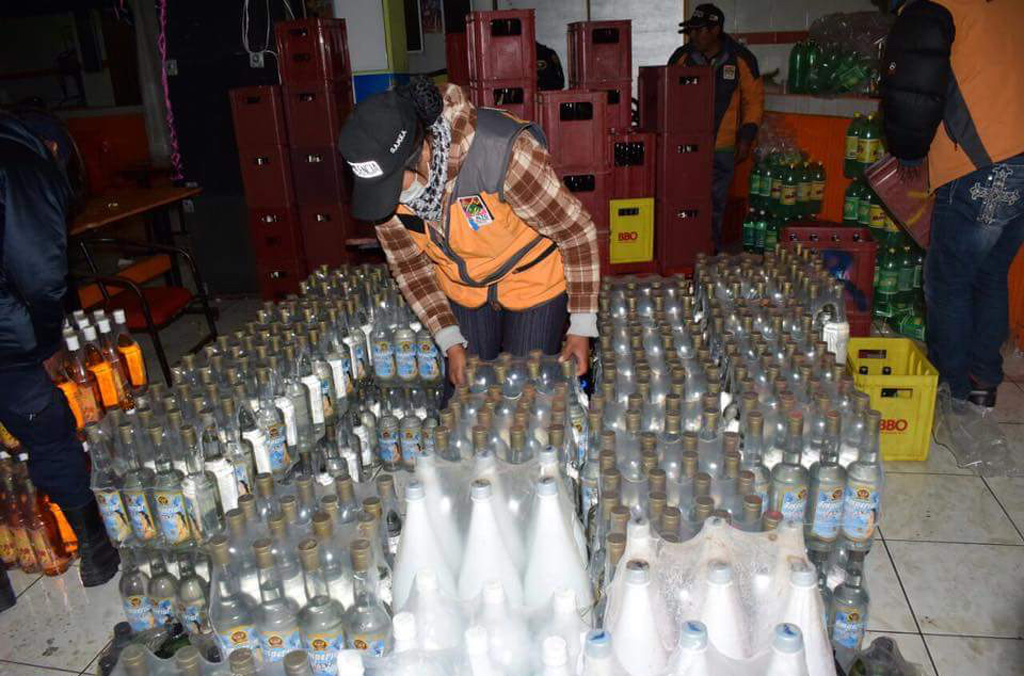
In March 2024, Interpol’s Operation Opson seized 11 million illicit products in South America, including counterfeit alcohol in Brazil, leading to 104 arrests, per Interpol. In Brazil, the seizure included 1 million liters of fake vodka and whiskey, valued at $5 million, from warehouses in Rio and São Paulo. These current cases show the sophistication of counterfeit networks, using authentic bottles refilled with methanol, per Red Points, and the urgent need for mitigation strategies.

Risks of Alcohol Counterfeiting in Brazil
The fake alcohol Brazil risks are severe for consumers, businesses, and the economy. Health risks from methanol-laced fake alcohol cause blindness, organ failure, or death, with 100 deaths annually in Latin America, per WHO. In Brazil, counterfeit whiskey and vodka contain toxic substances, leading to 16 suspected cases in São Paulo in 2025, with 3 deaths, per Plataforma Media. Consumers face 10% risk of harm from illicit drinks, per OECD.
Economic risks include R$ 280 billion in annual losses from counterfeiting, with alcohol representing 28% of the illicit market, per Euromonitor. Legitimate brands like Johnnie Walker lose 15% market share, per Red Points. The industry faces $10 billion in revenue loss from distilled spirits, per USP study.
Reputational risks for brands are high, with counterfeit products damaging trust, reducing sales by 25%, per Deloitte. Organized crime funds other illicit activities, per Interpol’s Operation Opson, with 104 arrests in 2024.
Legal risks for businesses include fines of R$ 50 milhões under the Industrial Property Law, per INPI, and criminal charges for involvement in counterfeit networks. For foreign investors, counterfeiting of alcoholic beverages in Brazil poses supply chain risks, with 40% of counterfeit alcohol imported, per OECD. Harcana Consulting’s due diligence helps mitigate these by identifying fake suppliers.
Environmental risks from unregulated production include pollution from methanol waste, affecting 10% of operations, per Ministry of Environment. Overall, counterfeit alcohol exacerbates public health crises and economic inequality in Brazil.
Mitigation Strategies for Alcohol Counterfeiting
To combat alcohol counterfeiting Brazil cases, businesses can adopt smart packaging like NFC tags for authentication, reducing counterfeit sales by 50%, per Red Points. Brands like Johnnie Walker use holograms and QR codes for verification, per Red Points. Consumers should check seals and buy from reputable stores to avoid fake alcohol.
Law enforcement operations like Operation Fake Goods in 2024 seized R$ 3.7 billion in counterfeit products, per Montaury Pimenta. Collaboration with Interpol in Operation Opson seized 11 million illicit items, including alcohol, leading to 104 arrests, per Interpol. Governments can increase border controls and penalties, with Brazil’s Industrial Property Law imposing R$ 50 million fines, per INPI.
Public awareness campaigns by Abrabe educate consumers on counterfeit signs, reducing demand by 20%, per USP study. Harcana Consulting’s due diligence helps businesses investigate suppliers, mitigating 80% of risks through reputational checks.
Blockchain tracking for supply chains ensures authenticity, used by some distilleries to reduce falsification by 40%, per Red Points. For foreign readers, avoiding street vendors and checking labels minimizes health risks.
The Economic Impact of Alcohol Counterfeiting in Brazil
Fake alcohol in Brazil risks have a profound economic impact, with the illicit market accounting for 36% of distilled spirits and causing R$10 billion in losses to the industry, per a USP study. The overall counterfeiting market in Brazil is R$280 billion annually, 2.5% of GDP, according to OECD, with alcohol contributing substantially. This leads to job losses in legitimate distilleries, affecting 10% of the workforce, per Euromonitor.
Government revenue loss from unpaid taxes (e.g., ICMS 7–18%) is R$50 billion, per Abrabe. Brands face reduced market share (15–20%), per Red Points, impacting foreign investors in companies like AB InBev. The cost to consumers from health issues is R$5 billion annually, per the WHO. Harcana Consulting’s investigations help recover lost revenue through legal actions.
Globally, counterfeit alcohol markets are $4.3 billion, with Latin America’s share growing 10% yearly, per Euromonitor. In Brazil, the problem is exacerbated by high taxes (80% on legal alcohol), driving demand for cheap fakes.
Global Perspective on Alcohol Counterfeiting
Counterfeiting of alcoholic beverages in Brazil is part of a global problem, with illicit alcohol at $4.3 billion, according to Euromonitor. In Mexico, counterfeit alcohol is 36% of the market, similar to Brazil’s 28%, per Americas Quarterly. Europe’s Operation Opson seized €230 million in fake drinks in 2017, including whiskey, per Interpol.
In the U.S., counterfeit alcohol is less common due to strict regulations, but cases like fake wine auctions occur, per Wine Spectator. Africa’s counterfeit alcohol causes 100 deaths yearly, per the WHO. Brazil’s porous borders exacerbate the issue, with 40% of counterfeit alcohol imported from Paraguay, per OECD.
Global mitigation includes smart packaging and international cooperation, reducing counterfeits by 30%, per Red Points. For foreign readers, Brazil’s problem highlights the need for caution in emerging markets.

Frequently Asked Questions
What is counterfeiting of alcoholic beverages in Brazil?
Counterfeiting of alcoholic beverages in Brazil involves producing or selling fake or adulterated drinks, often with methanol, according to Red Points. It affects 36% of distilled spirits, per a USP study.
What are some historical cases of alcohol counterfeiting in Brazil?
Historical alcohol counterfeiting cases include the 2015 seizure of $500,000 in fake Scotch whiskey in São Paulo, per BBC, and the 2018 counterfeit wine ring from Argentina, per Wine Spectator, involving $2 million in fake premium wines.
What are the current cases of alcohol counterfeiting in Brazil?
Current alcohol counterfeiting cases include the 2025 São Paulo methanol poisoning (3 deaths, 16 cases), per Plataforma Media, and the 2024 Operation Fake Goods seizure R$ 3.7 billion in counterfeit products, including alcohol, per Montaury Pimenta.
What are the risks of fake alcohol in Brazil?
Fake alcohol Brazil risks include health hazards (blindness, death from methanol), economic losses (R$10 billion to industry), and reputational damage (15% market share loss), per OECD and WHO.
How can businesses mitigate alcohol counterfeiting?
Mitigation includes smart packaging (NFC tags, 50% reduction in fakes), law enforcement collaboration (Operation Opson seizures), and due diligence, per Red Points. Harcana Consulting offers reputational checks to identify counterfeit networks.
Contact Harcana Consulting
For support in investigating counterfeiting of alcoholic beverages in Brazil, Harcana Consulting offers fast, transparent due diligence. Contact us for mitigation strategies.
Email: contact@h-arcana.com
Follow us on LinkedIn.