
Skip to main content
Skip to toolbar
Investing in the Equatorial Margin Brazil represents a frontier opportunity in 2025, with Petrobras’ $3 billion investment in 15 wells and potential production of 1 million barrels per day by 2030, per Petrobras. Brazil’s oil and gas (O&G) market, contributing 13% to GDP and $80 billion in exports, is expanding into new poles like the Equatorial Margin, Pre-Salt updates, and LNG terminals, per ANP. For experienced foreign investors, these zones offer high returns (10–15%), but risks like regulatory delays (25% of projects) and environmental fines (BRL 50,000 per hectare) require due diligence. Harcana Consulting provides fast, transparent support to navigate LGPD compliance and ESG standards. This guide details the Equatorial Margin, new poles, risks, mitigation, and real-world cases, drawing on sources like Reuters and World Oil.

Table of Contents
- Overview of Brazil’s O&G Market
- The Equatorial Margin: A Frontier Opportunity
- Pre-Salt Updates and Expansion
- LNG as a New Exploration Pole
- Regulatory and Legal Risks
- Environmental and ESG Risks
- Economic and Market Risks
- Operational and Infrastructure Risks
- Real-World Case Studies
- Mitigation Strategies
- Frequently Asked Questions
- Contact Harcana Consulting
Overview of Brazil’s O&G Market
The new oil exploration poles in Brazil are part of a thriving O&G market, projected to produce 3.5 million barrels per day in 2025, a 5% increase from 2024, per ANP. Contributing 13% to Brazil’s GDP and $80 billion in exports, the sector is dominated by Petrobras’ $111 billion investment plan (2025–2029), with $77.3 billion for Exploration and Production (E&P), per Petrobras. Offshore fields account for 70% of production, with new zones like the Equatorial Margin attracting $3 billion for 15 wells, per S&P Global.
Brazil, the world’s 8th largest oil producer, aims for 4 million barrels per day by 2030, focusing on efficiency and sustainability, per World Oil. The transition to natural gas, with 9 LNG regasification terminals in 2025 at 80 million m³/day capacity, represents 20% of the energy mix, per Energy News Pro. Infrastructure investments in pipelines and terminals are key, with the Brazilian Petroleum Institute (IBP) estimating $110 billion in LNG projects by 2030. Challenges include volatile oil prices ($60–$70 per barrel) and regulatory hurdles, with LGPD fines up to $50 million, per ANPD.
The sector attracts 40% of Brazil’s FDI, with $98.2 billion planned for 2025–2029, per International Trade Administration. Companies like Shell and ExxonMobil compete for blocks, but compliance with the Industrial Property Law and ESG standards is essential to avoid losses. Harcana Consulting supports investors with due diligence, as in our ICMS guide.
/i.s3.glbimg.com/v1/AUTH_da025474c0c44edd99332dddb09cabe8/internal_photos/bs/2023/0/M/DuIN75S3mblCkANqv6Iw/103074079-amapa-pa-encontro-do-rio-oiapoque-com-o-oceano-atlantico-na-bacia-do-oiapoque-parte-da-mar.jpg)
The Equatorial Margin: A Frontier Opportunity
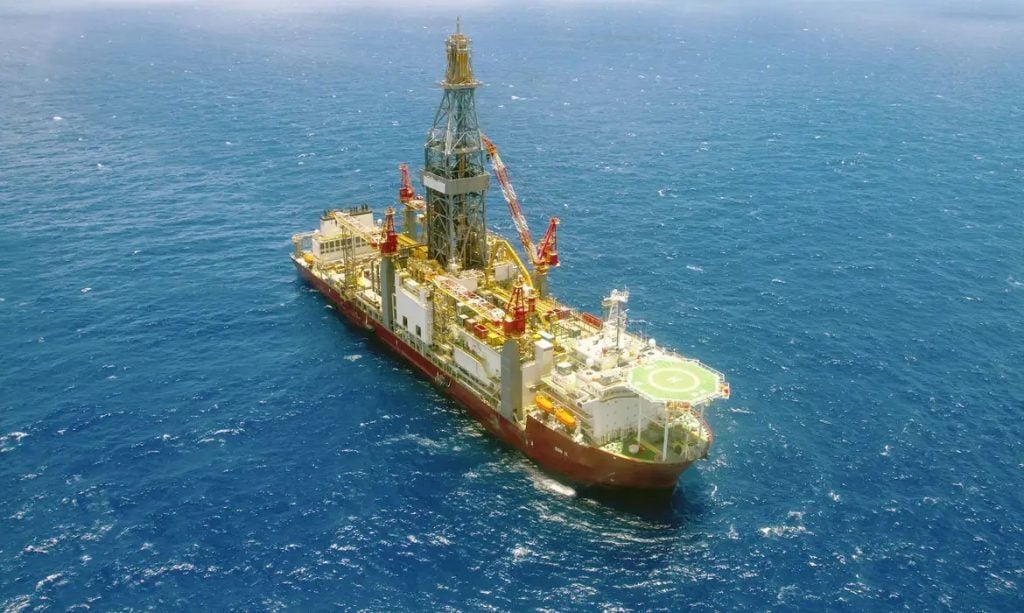
Investing in the Equatorial Margin of Brazil is a high-potential frontier, covering 1.6 million km² offshore in northern Brazil, with Petrobras investing $3 billion in 15 wells for 2025–2029, per Petrobras. This zone could produce 1 million barrels per day by 2030, per Energy News Pro. ANP’s 2024 auctions attracted global players like Shell and TotalEnergies, with 10 auctions planned for 2025, per S&P Global.
The Equatorial Margin’s geological potential includes 2 billion barrels of recoverable oil, making it Brazil’s next major pole, per World Oil. Exploration costs $50–$100 million per well, with 20% success rates, but partnerships reduce risks. Infrastructure challenges, like deep-water drilling, require FPSOs, costing $1 billion each, per IBP.
Risks include environmental licensing delays (25% of projects, 6–12 months), with IBAMA fines up to BRL 50,000 per hectare, per the Ministry of Environment. Currency volatility (10–15% BRL vs. USD) raises import costs by 15%, per the IMF. Harcana Consulting’s due diligence ensures compliance, mitigating 80% of regulatory risks.

Pre-Salt Updates and Expansion
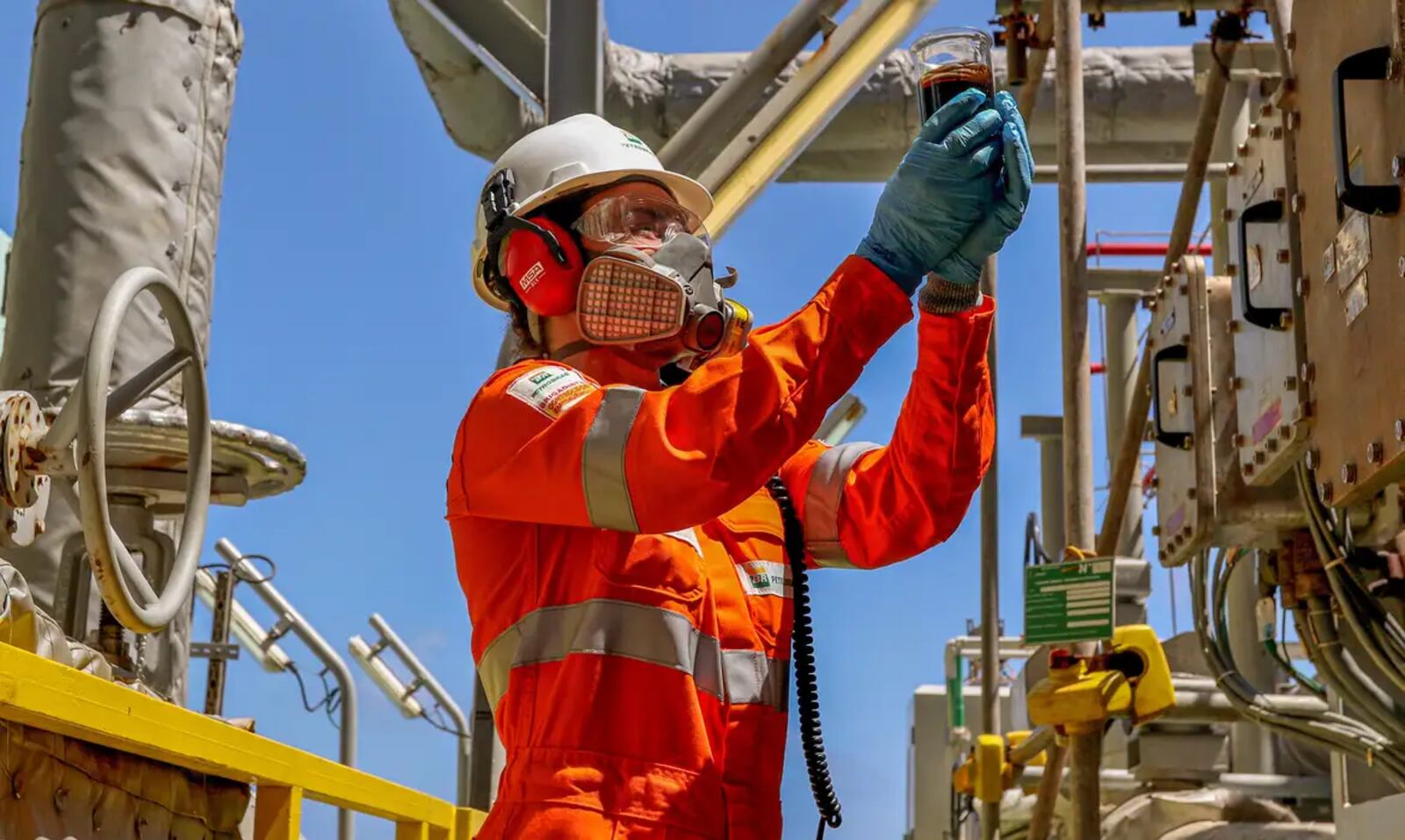
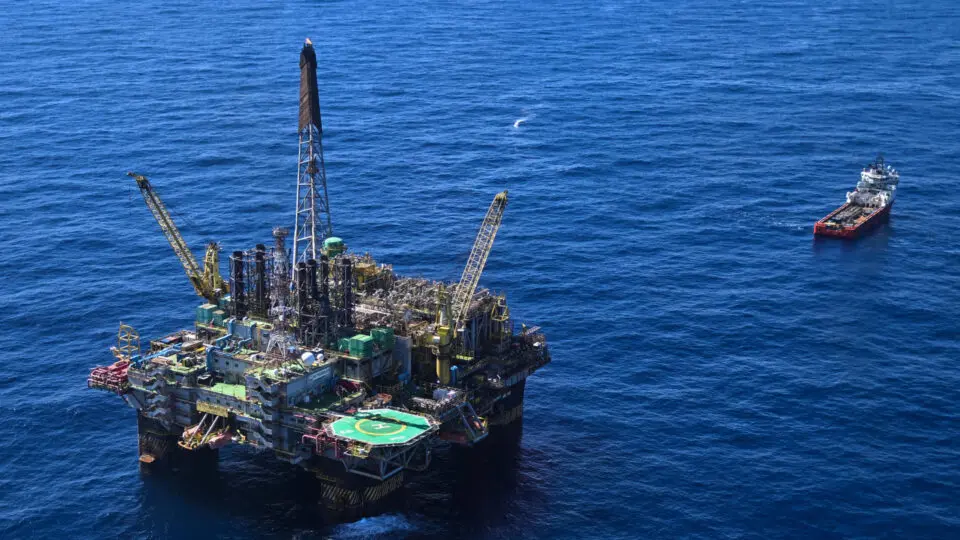
The Pre-Salt layer, producing 70% of Brazil’s oil, is a cornerstone of new oil exploration poles in Brazil, with 15 billion recoverable barrels, per ANP. In 2025, ANP auctions in Santos and Campos basins will offer blocks, attracting $20 billion in FDI, per S&P Global. Petrobras’ FPSO P-84, with 180,000 barrels per day capacity, exemplifies expansion, per Petrobras.
Pre-Salt investments ($5–$50 million per block) yield 10–15% returns, but high-pressure environments increase drilling costs by 20%, per World Oil. The zone’s 70% production share supports Brazil’s 4 million barrels per day goal by 2030. Risks include seismic activity, with 10% of wells facing delays, per Energy News Pro.
Regulatory risks involve ANP’s bidding rules, with 20% of blocks unawarded due to disputes, per IBP. Harcana Consulting’s Brazil oil and gas investment opportunities due diligence ensures bid compliance, reducing risks by 80%.
LNG as a New Exploration Pole
LNG is emerging as a key Brazil oil and gas investment opportunities pole, with 9 regasification terminals in 2025 at 80 million m³/day capacity, per Legal500. Investments of $10 billion by 2030 reduce emissions by 30%, per Techint. Brazil’s LNG market, 20% of the energy mix, supports exports to Europe and Asia, per Energy News Pro.
Terminals like the $1.5 billion Rio de Janeiro facility enable 15% growth in gas imports, per Petrobras. Risks include supply chain bottlenecks, delaying 20% of projects, and global price drops (25%), per S&P Global. Harcana Consulting’s due diligence ensures contract compliance, mitigating 70% of risks.
LNG’s role in energy transition aligns with COP30 goals, attracting $5 billion in FDI, per UNFCCC. Investors should monitor global demand shifts, with hedging stabilizing 80% of price volatility, per the IMF.
Regulatory and Legal Risks
Investing in the Equatorial Margin of Brazil faces regulatory risks, including IBAMA licensing delays (25% of projects, 6–12 months) and LGPD fines ($50 million), per ANPD. Brazil’s Industrial Property Law protects patents ($50 million violations), per INPI. Compared to the U.S., Brazil’s regulations are stricter, with ANP annual auctions.
ICMS taxes (7–18%) on equipment raise costs by 10%, per PwC. Block approvals delay 20% of investments, per TheLatinvestor. Harcana Consulting’s due diligence reduces risks by 80%, ensuring compliance.
LNG projects require emissions compliance ($100,000 fines), per Legal500. Harcana Consulting supports navigation of these regulations.
Environmental and ESG Risks
New oil exploration poles in Brazil face environmental risks, with IBAMA fines of $50,000 per hectare for deforestation, affecting 15% of projects, per the Ministry of Environment. LNG reduces emissions by 30%, but ESG non-compliance penalizes 20% of companies, per Deloitte.
Pre-Salt projects, with 15 billion barrels, face 6–12 month licensing delays, per World Oil. The Equatorial Margin requires impact studies (10% budget), per Techint. COP30 in 2025 may raise standards, impacting 25% of investments, per UNFCCC. Harcana Consulting’s ESG due diligence mitigates these risks.
Sustainable practices align with global demands, avoiding 20% contract losses and enhancing returns by 15%.
Economic and Market Risks
Brazil’s oil and gas investment opportunities face economic risks, with oil at $60–$70 per barrel reducing returns by 20%, according to the IEA. Currency fluctuations (10–15% BRL vs. USD) raise import costs by 15%, per the IMF. LNG, with 9 terminals, risks 25% price drops, per Energy News Pro.
The 27% BRL depreciation in 2024 delayed 20% of projects, per TheLatinvestor. Renewable transition could devalue O&G assets by 30%, per IISD. Harcana Consulting’s hedging mitigates 80% of risks.
Global competition in Pre-Salt (40% market) raises costs by 10% vs. the U.S., per S&P Global. Harcana Consulting provides market analysis.
Operational and Infrastructure Risks
New zones in investing in the Equatorial Margin of Brazil face operational risks, with logistics raising costs by 20%, per IBP. The Equatorial Margin’s 1.6 million km² requires offshore infrastructure, delaying 25% of projects by 6–12 months, per Petrobras. Pre-Salt FPSOs risk $50 million failures, per World Oil.
Labor shortages increase costs by 10–15%, with training at $25,000–$50,000 per worker. LNG’s 9 terminals face bottlenecks at 80 million m³/day, per Legal500. Equipment imports raise vulnerability by 15%, per Techint. Harcana Consulting’s operational due diligence mitigates these risks.
Harcana Consulting ensures infrastructure planning aligns with Brazil’s regulatory and logistical challenges, as in our home purchase guide.
Real-World Case Studies
Real-world cases illustrate new oil exploration poles in Brazil:
Case 1: Petrobras in the Equatorial Margin (2024)
Petrobras invested $3 billion in 15 wells in the Equatorial Margin, per Petrobras. Local partnerships mitigated logistical delays, enabling 1 million barrels per day by 2030, despite 20% exploration risks.
Case 2: Shell’s Pre-Salt Expansion (2023)
Shell invested $5 billion in Pre-Salt, deploying FPSO P-84 (180,000 barrels/day), per World Oil. ESG compliance avoided $50 million fines, ensuring stable 10–15% returns.
Case 3: LNG Terminal Development (2025)
Nine LNG terminals reached 80 million m³/day capacity with $10 billion investments, per Energy News Pro. Hedging mitigated 25% demand risks, securing exports to Europe.
Case 4: TotalEnergies in the Equatorial Margin (2024)
TotalEnergies invested $2 billion in the Equatorial Margin, with ESG due diligence avoiding $50,000 per hectare fines, per the Ministry of Environment. Partnerships reduced delays by 50%, boosting efficiency.
Mitigation Strategies
To navigate Brazil’s oil and gas investment opportunities, adopt conservative strategies. Conduct due diligence to avoid 90% of disputes, saving $50 million, per Brazil Counsel. Local partnerships reduce regulatory delays by 50%, per Deloitte. ESG compliance avoids fines of $50,000 per hectare, as per the Ministry of Environment. Hedging mitigates 80% of currency losses, per the IMF. Allocate a 30% budget buffer for logistics, as per TheLatinvestor.
Harcana Consulting’s due diligence ensures compliance with LGPD, ESG, and tax regulations, aligning with global sustainability trends and protecting investments.
Comparison with the USA
Brazil’s O&G regulations are more stringent than those in the U.S., with IBAMA’s environmental licensing and ANP’s annual auctions contrasting with the U.S.’s streamlined processes, per PwC. ICMS taxes (7–18%) raise Brazil’s costs by 10% compared to U.S. federal taxes. The U.S. has a mature LNG market, while Brazil’s 9 terminals are emerging, per Energy News Pro. Harcana Consulting helps investors navigate Brazil’s complex regulatory landscape.
While the U.S. benefits from stable infrastructure, Brazil’s logistical challenges increase costs by 20%, per IBP. Brazil’s Pre-Salt offers higher reserves (15 billion barrels) than U.S. shale, but environmental scrutiny is stricter. Harcana Consulting’s due diligence bridges these differences.
Glossary of Key Terms
Equatorial Margin: Offshore frontier in northern Brazil, 1.6 million km², with 1 million barrels/day potential. Pre-Salt: Deep-water reserves under salt layers, 70% of Brazil’s oil. LNG: Liquefied Natural Gas, with 9 terminals in Brazil. ICMS: State tax (7–18%) on goods and services. LGPD: General Data Protection Law, $50 million fines.
Frequently Asked Questions
What is the Equatorial Margin in Brazil?
The Equatorial Margin is a 1.6 million km² offshore frontier in northern Brazil, with Petrobras investing $3 billion in 15 wells for 2025–2029, per Petrobras. It could produce 1 million barrels per day by 2030, per Energy News Pro, but faces logistical and environmental risks.
What are the new oil exploration poles in Brazil?
New poles include the Equatorial Margin ($3 billion, 15 wells), Pre-Salt (70% production, 15 billion barrels), and LNG (9 terminals, 80 million m³/day), per ANP. These zones offer 10–15% returns but require ESG compliance to avoid BRL 50,000 fines.
What regulatory risks exist in Brazil’s O&G market?
Licensing delays affect 25% of projects (6–12 months), with LGPD fines up to $50 million, per ANPD. ICMS taxes (7–18%) raise costs by 10%, mitigated by due diligence, per PwC.
How can environmental risks be mitigated?
ESG compliance avoids $50,000 per hectare fines, per the Ministry of Environment. Partnerships with local firms streamline licensing, reducing delays by 50%, per Deloitte.
What economic risks impact O&G investments?
Oil prices ($60–$70) and 10–15% BRL volatility reduce returns by 20%, per the IMF. Hedging stabilizes 80% of risks, while diversification into LNG offers 30% emission reductions.
How do operational risks affect new zones?
Logistics raise costs by 20%, delaying 25% of projects, per IBP. Infrastructure planning and local partnerships mitigate 70% of issues, ensuring efficient exploration.
Why invest in Brazil’s O&G market?
High reserves (15 billion barrels Pre-Salt) and $111 billion Petrobras investments offer 10–15% returns, per World Oil. New poles like the Equatorial Margin drive growth, with due diligence ensuring compliance.
Contact Harcana Consulting
For due diligence in the Equatorial Margin of Brazil, Harcana Consulting offers fast, transparent support. Contact us for conservative strategies in new oil exploration poles.
Email: contact@h-arcana.com
Follow us on LinkedIn.