
Skip to main content
Skip to toolbar
In 2025, São Paulo, contributing 20% of Brazil’s coffee production, remains a global hub, with Brazil leading 40% of the $30 billion coffee export market, per FAO. Coffee investment in São Paulo offers opportunities in production, processing, agtech, and export logistics, with returns of 8–12% annually. However, regulatory hurdles, environmental compliance, economic volatility, and operational challenges pose risks. With a projected GDP growth of 2.5% and exchange rates at ~5 BRL per USD, per the IMF, investors face potential fines of $50 million for LGPD violations and BRL 50,000 for environmental non-compliance, affecting 10% of coffee projects, per the Ministry of Environment. This guide provides a detailed roadmap for navigating coffee investment in São Paulo, comparing Brazil’s framework with U.S. standards, and offering conservative strategies for foreign investors focused on due diligence and risk mitigation.
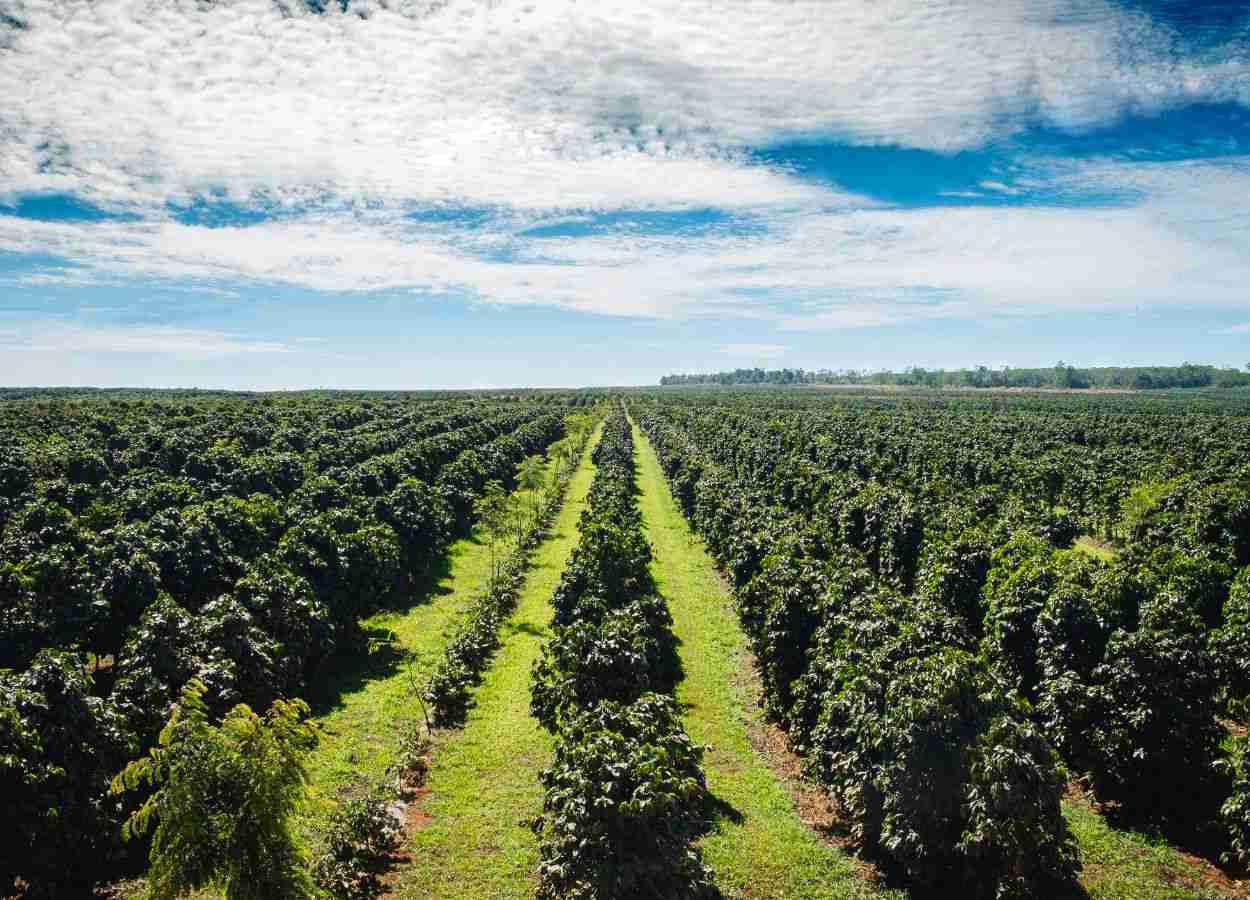
Table of Contents
Opportunities in São Paulo’s Coffee Sector
São Paulo is a powerhouse in Brazil’s coffee industry, anchored by renowned regions such as Alta Mogiana, which alone produces around 5 million 60-kg sacks annually (OECD). This region’s combination of fertile volcanic soils, stable altitudes, and generations of expertise has positioned it as a leader in high-quality arabica coffee—a segment commanding strong demand in both specialty and premium commodity markets.
The state’s coffee investment landscape covers four major value-chain segments, each offering distinct returns, capital requirements, and operational challenges.
1. Coffee Production
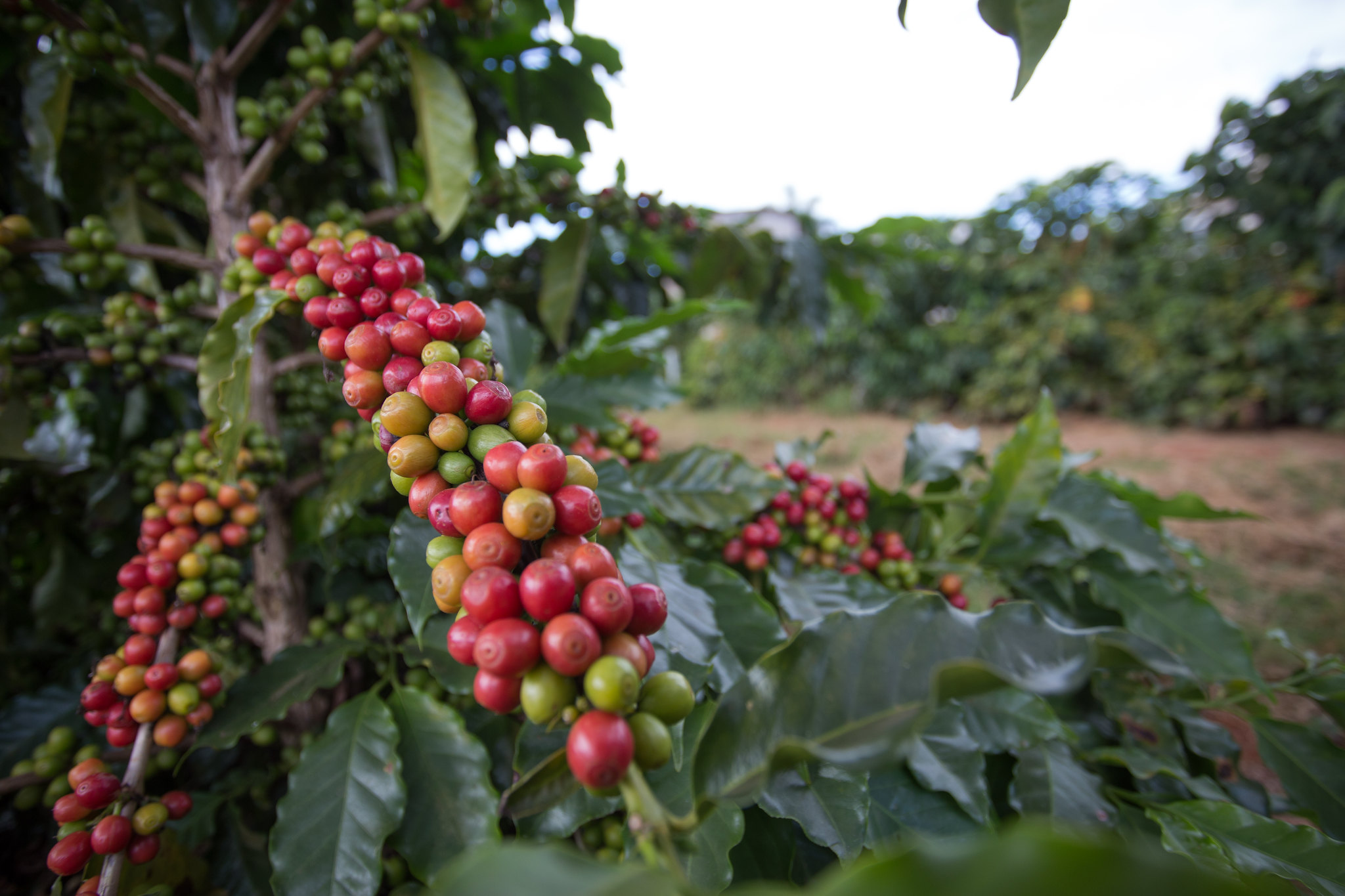
Capital requirements range from US$200,000 to US$2 million for mid- to large-scale arabica farms. Historical returns hover between 8–12% annually, driven by growing global demand for single-origin and sustainably certified beans. Alta Mogiana benefits from an optimal microclimate, yet climate variability—including droughts and irregular rainfall—can impact up to 15% of annual yields (FAO).
Emerging solutions like precision agriculture tools, soil-moisture monitoring systems, and climate-resilient cultivars are boosting yields by up to 20%, while also enabling farms to meet ESG and traceability requirements sought by premium buyers.
2. Coffee Processing
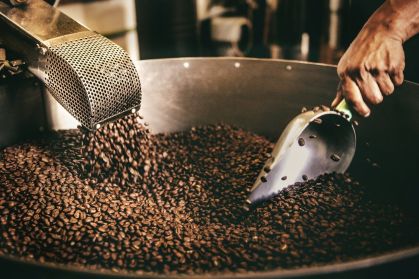
Investments of US$400,000 to US$3 million in washing, drying, milling, and roasting facilities can add 10–15% value to raw coffee beans (TheLatinvestor). Processing not only improves margins but also opens access to direct-trade relationships with international roasters. However, operators face equipment downtime risks and stringent regulatory inspections that can increase operational costs by up to 20%. Modernizing plants with energy-efficient dryers and automated grading systems can mitigate these risks and enhance product consistency.
3. Agtech in Coffee
Technologies such as IoT-enabled crop monitoring, drone-based imaging, and AI-driven yield prediction tools require US$100,000 to US$1 million in capital. These innovations have shown potential to boost farm productivity by 25% (Deloitte) while reducing water and fertilizer waste. However, the regulatory environment—including drone permit approvals from ANAC—can delay deployment by up to six months, underscoring the importance of factoring in compliance lead times during project planning.
4. Coffee Export and Logistics
With investments of US$1 million to US$4 million, companies can develop storage hubs, quality-controlled warehouses, and dedicated transport fleets to reduce post-harvest losses, currently estimated at 15% (FAO). São Paulo’s strategic proximity to Santos Port, Latin America’s largest coffee export hub, offers a competitive logistics advantage. Still, subpar rural road infrastructure increases last-mile transportation costs by around 20%. Strategic partnerships with logistics firms and rural infrastructure development programs can significantly improve delivery efficiency.
Regulatory and Legal Risks
Navigating Brazil’s regulatory landscape is critical for coffee investment in São Paulo, with stricter rules than in the U.S.:
1. Tax Compliance
Brazil’s tax system (PIS/COFINS: 3.65–9.25%, ICMS: 7–18%, ISS: 2–5%) creates a 34% effective rate, compared to 27% in the U.S., per PwC. Audits affect 20% of coffee businesses, with fines up to $10,000 per error, per Diário do Comércio. Robust SPED filings ensure compliance.
2. Land Ownership Restrictions
Foreign investors acquiring over 50 hectares need government approval, delaying projects by 6–12 months, unlike minimal U.S. restrictions, per Ministry of Foreign Affairs. Title verification prevents disputes in 10% of cases.
3. Labor Regulations
Brazil’s CLT mandates benefits like 13th salary and 30-day vacations, with fines of $5,000 per violation, compared to flexible U.S. at-will laws, per Brazil Counsel. Disputes cost $10,000–$20,000 for 15% of coffee farms.
4. Data Privacy (LGPD)
LGPD compliance for agtech and export data management risks $50 million fines, with 15% of coffee firms penalized in 2024, per ANPD. U.S. CCPA fines are lower, making Brazil’s rules more stringent.

Environmental and ESG Risks
Environmental compliance shapes coffee investment in São Paulo:
1. Deforestation Regulations
IBAMA enforces anti-deforestation laws, with fines up to BRL 50,000 per hectare, affecting 10% of coffee farms, per Ministry of Environment. U.S. EPA rules are less punitive. Environmental audits ensure compliance.
2. ESG Compliance
Global buyers demand certifications like Rainforest Alliance, with non-compliance risking 25% of export contracts, per Deloitte. Sustainable practices, like shade-grown coffee, reduce risks by 30%.
3. Water Usage Restrictions
Irrigation permits face 3–6 month delays, with 10% of applications rejected, per FAO. Fines for misuse range from $2,000–$5,000, stricter than U.S. regulations.

Economic and Market Risks
Economic volatility challenges coffee investment in São Paulo:
1. Currency Fluctuations
The BRL fluctuates 10–15% against the USD, impacting returns by 20%, per IMF. Hedging mitigates 80% of losses, unlike stable U.S. markets.
2. Coffee Price Volatility
Coffee prices vary 20–30% due to global demand and droughts, per OECD. Specialty coffee investments reduce exposure by 25%.
3. Financing Challenges
Agro loans at 10–12% interest and bureaucratic processes delay 20% of projects, compared to 5–7% rates in the U.S., per TheLatinvestor. Pre-approved financing avoids delays.
Operational and Infrastructure Risks
Operational hurdles for coffee investment in São Paulo include:
1. Land Disputes
Unclear titles cause disputes in 10% of coffee investments, costing $50,000–$200,000, per Brazil Counsel. Due diligence prevents 90% of issues.
2. Logistics Inefficiencies
Poor rural infrastructure increases transport costs by 20%, delaying 25% of coffee exports, per Diário do Comércio. Local logistics partnerships reduce delays by 20%.
3. Labor Shortages
Skilled labor shortages raise costs by 10–15%, with training programs costing $5,000–$10,000 annually. Strategic hiring mitigates disruptions.
Real-World Case Studies
Real-world examples highlight risks in coffee investment in São Paulo:
Case 1: Alta Mogiana Land Dispute (2022)
A European investor faced a $600,000 loss in a land dispute in Alta Mogiana due to unverified titles, per G1. The conflict, involving overlapping claims from a previous owner, halted coffee planting for 18 months, incurring $150,000 in legal fees. Thorough title checks and local legal support could have prevented 90% of the loss, emphasizing due diligence in coffee farm acquisitions.
Case 2: Deforestation Penalty in Coffee Farm (2023)
A coffee producer in São Paulo incurred BRL 80,000 in fines for unauthorized clearing of 1.6 hectares, per Ministry of Environment. Detected via IBAMA’s satellite monitoring, the violation disrupted operations for 4 months, costing $100,000 in lost revenue. An environmental audit and adherence to Rainforest Alliance standards prevented further penalties, saving $120,000, highlighting the need for ESG compliance.
Case 3: Agtech Drone Approval Delay (2024)
A U.S.-based agtech firm faced a 6-month delay in ANAC approval for coffee yield-monitoring drones, costing $150,000 in delayed market entry, per Reuters. The delay, due to incomplete regulatory submissions, disrupted a planned rollout in São Paulo. Early consultation with local regulators could have cut the delay by 50%, saving $75,000, underscoring the importance of regulatory foresight in agtech.
Mitigation Strategies
Conservative strategies for coffee investment in São Paulo include:
- Conduct Comprehensive Due Diligence: Verify land titles and regulatory compliance to prevent 90% of disputes, per Brazil Counsel. Local experts ensure accurate assessments.
- Engage Local Specialists: OAB-registered lawyers and tax advisors reduce compliance risks by 80%, per PwC. Their expertise navigates Brazil’s complex regulations.
- Prioritize ESG Practices: Adopt sustainable methods like shade-grown coffee to meet export standards, avoiding 25% contract losses, per Deloitte. Certifications enhance market access.
- Hedge Currency Risks: Financial instruments mitigate 80% of losses from 10–15% BRL fluctuations, per IMF. Fixed-rate contracts stabilize returns.
- Plan for Delays: Allocate a 30% budget buffer for regulatory and logistics delays, per TheLatinvestor. This cushions unexpected costs.
- Secure Digital Records: Store compliance documents digitally to reduce audit fines by 50%, per PwC. Encrypted platforms ensure data security.
Frequently Asked Questions
What opportunities exist for coffee investment in São Paulo?
Opportunities include coffee production (arabica farms), processing (washing, roasting), agtech (IoT, drones), and export logistics, with returns of 8–12%, per FAO. Production leverages São Paulo’s fertile regions like Alta Mogiana, processing adds value to beans, agtech enhances yields, and logistics ensures efficient market access, though each requires careful risk management.
What are the primary risks for coffee investment?
Regulatory (tax audits, land restrictions), environmental (deforestation fines), economic (currency, price volatility), and operational (disputes, logistics) risks, per OECD. Regulatory delays can stall projects by 6–12 months, environmental fines reach BRL 50,000 per hectare, economic volatility affects 20–30% of returns, and operational inefficiencies raise costs by 20%.
How do taxes impact coffee investments?
A 34% effective tax rate (PIS/COFINS, ICMS, ISS) increases compliance costs by 20–30%, with fines up to $10,000 for errors, per PwC. Tax incentives for sustainable coffee production can reduce the burden by 10–15%, but require meticulous filings to avoid audits affecting 20% of businesses.
What environmental regulations affect coffee investments?
IBAMA’s anti-deforestation rules impose fines up to BRL 50,000 per hectare, impacting 10% of coffee farms, per Ministry of Environment. Water usage permits face delays, and global ESG standards like Rainforest Alliance are critical to avoid losing 25% of export contracts, necessitating sustainable practices.
How can currency risks be managed?
Hedging mitigates 80% of losses from 10–15% BRL fluctuations, per IMF. Specialty coffee exports and fixed-rate financing further stabilize returns, reducing exposure to global currency and market shifts impacting 20% of investments.
Why are land disputes a concern?
Unclear titles lead to disputes in 10% of coffee investments, costing $50,000–$200,000 in legal fees and delays, per Brazil Counsel. Historical claims and incomplete records often trigger conflicts, requiring thorough title verification and local expertise to resolve.
How does LGPD impact coffee investments?
LGPD non-compliance risks $50 million fines, with 15% of coffee firms penalized in 2024 for mishandling agtech and export data, per ANPD. Secure data systems and explicit consent protocols are essential to protect sensitive information like yield data and client records.
Contact Harcana Consulting
Navigating coffee investment in São Paulo demands local expertise. Harcana Consulting provides tailored solutions for regulatory compliance, due diligence, and risk mitigation for foreign investors. Contact for strategic guidance.
Email: contact@h-arcana.com
Follow us on LinkedIn.