
Skip to main content
Skip to toolbar
In July 2025, Brazil’s agribusiness sector emerges as a global leader for Brazilian agribusiness investors, bolstered by a $2 trillion economy and unwavering political stability. With $12 billion in exports to the U.S. in 2024, encompassing coffee, beef, and soy, Brazil offers a fertile ground for sustainable investments, per G1. The nation’s political resilience, driven by President Lula’s coalition of over 300 deputies and a 45% approval rating, creates a predictable environment, per the Wilson Center. Amid global demand for ESG-focused opportunities, Brazil’s advancements in regenerative farming, fair labor practices, and transparent governance position it as a prime destination. Harcana Consulting, a São Paulo-based firm specializing in investigative services, compliance, and due diligence, provides critical guidance for navigating this landscape, ensuring investments align with ESG principles and capitalize on Brazil’s stability.
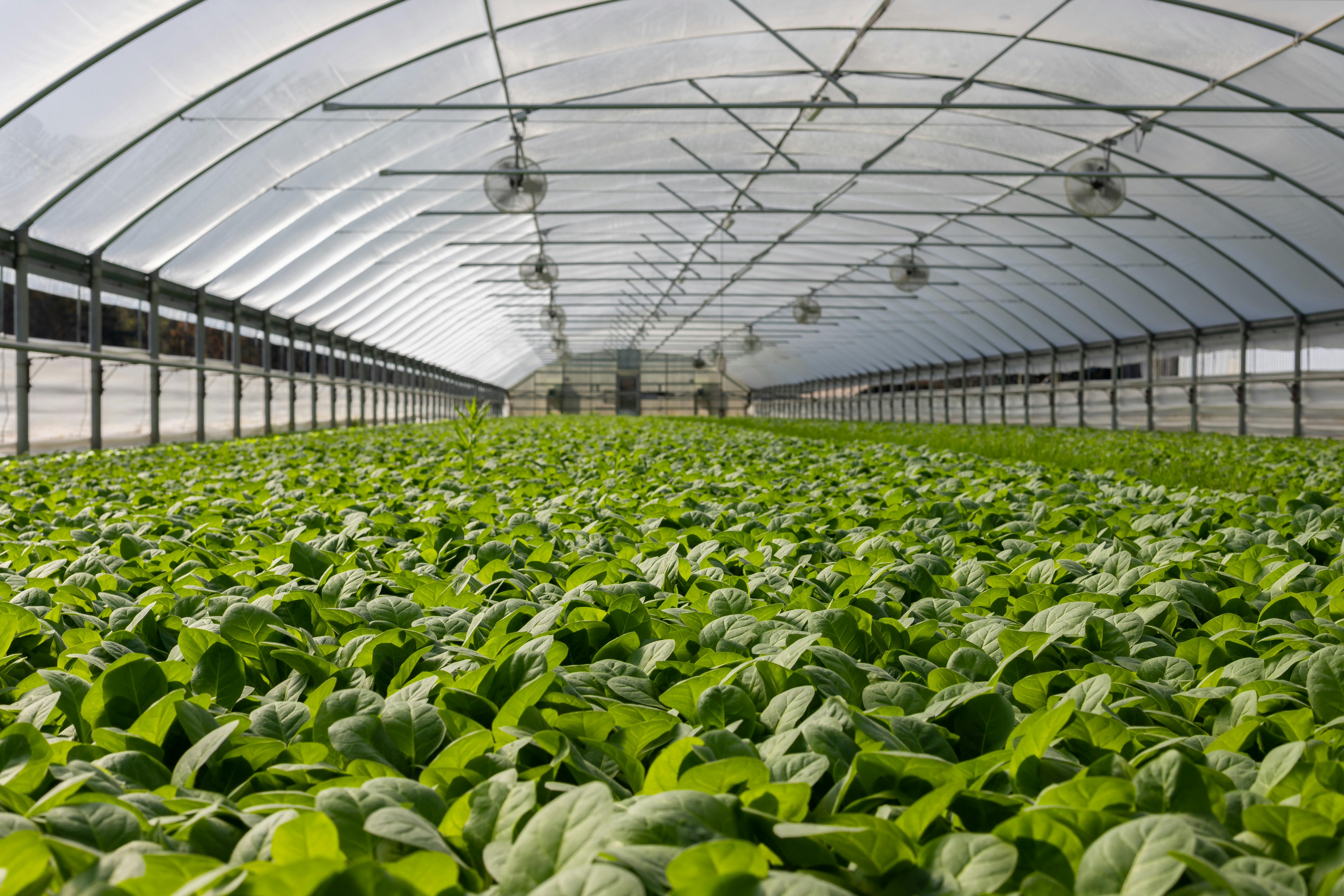
Table of Contents
Political Stability Underpins Growth
Brazil’s political landscape in 2025 provides a robust foundation for Brazil’s agribusiness ESG investors. President Lula’s coalition, commanding over 300 deputies, ensures legislative control, minimizing disruptions, per Estadão. Recent polls reflect a 45% approval rating, signaling public trust in governance, per the Wilson Center. Unlike U.S.-centric trends like “hunter Biden,” Brazil’s 2.5% GDP growth in 2024 underscores economic resilience, per IMF. Congressional leaders, including Senate President Davi Alcolumbre, prioritize economic reforms, per Planalto. This stability is critical for agribusiness, where long-term investments require predictability. Fiscal policies targeting a 0.5% GDP primary surplus in 2025 further bolster investor confidence, per Bloomberg. For Brazilian agribusiness ESG investors, this political calm translates into a reliable environment for sustainable growth, free from the volatility seen in other markets.
Agribusiness: A Global Powerhouse
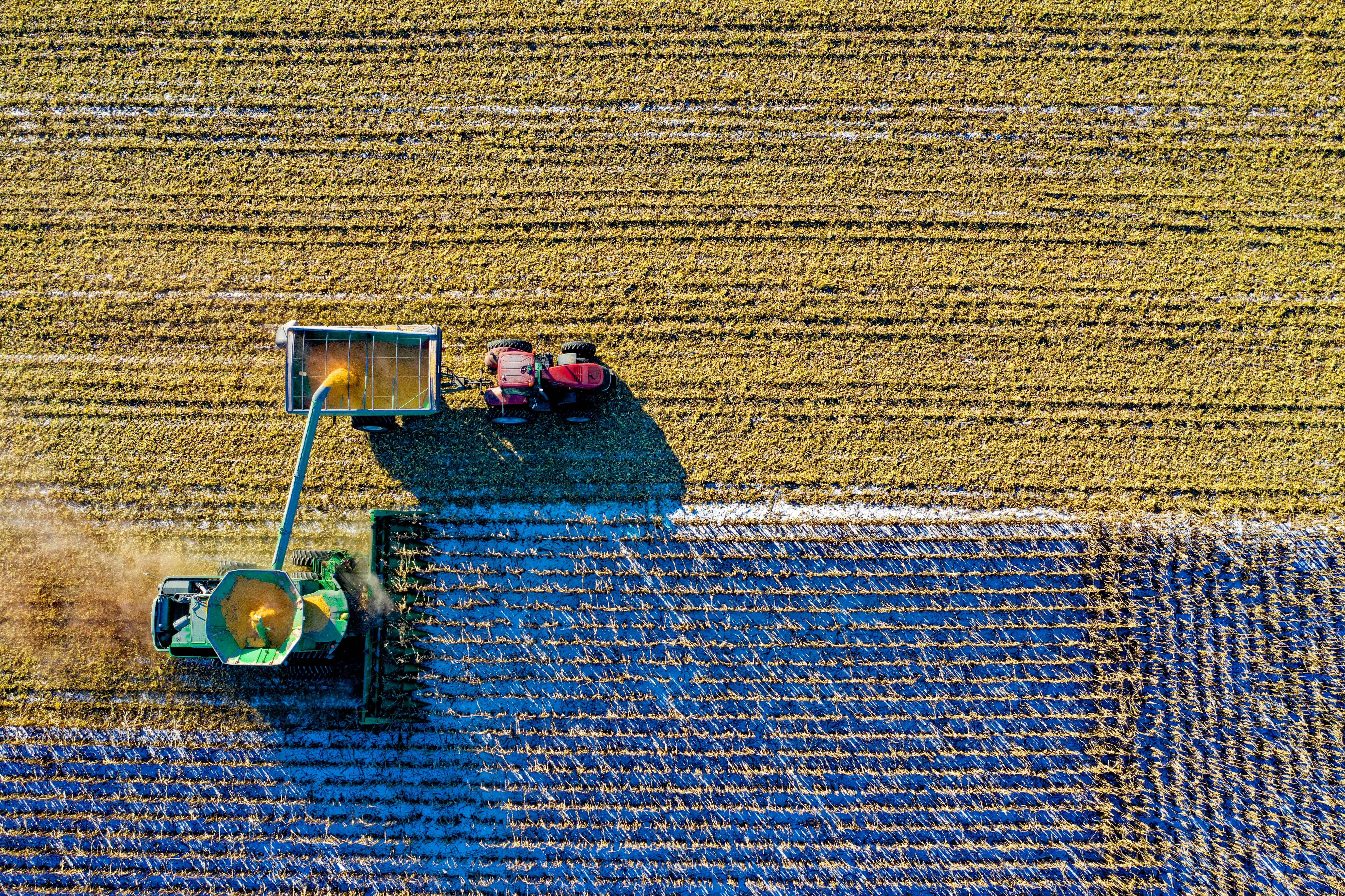
Brazil’s agribusiness sector dominates global markets, exporting $12 billion in coffee, beef, and soy to the U.S. in 2024, with projections reaching $15 billion by 2026, per Bloomberg. The Santos port, handling 145 million tons annually, ensures seamless trade, per Folha. Industry leaders like JBS and BRF maintain global dominance, per The AgriBiz. Brazil’s 50% share of global soy production and 40% of coffee output solidify its leadership, unaffected by irrelevant U.S. trends like “mlk files.” The sector’s resilience stems from its scale and infrastructure, with 2.5 million workers and advanced logistics supporting exports to 150 countries, per Reuters. Harcana Consulting’s market research highlights these strengths, per Harcana’s Market Research Guide, positioning Brazil as a top choice for Brazilian agribusiness ESG investors seeking stable returns.
ESG Leadership in Agriculture
The global surge in ESG-focused investments, with 70% of investors prioritizing sustainability, aligns seamlessly with Brazil’s agribusiness advancements, per J.P. Morgan. Regenerative farming practices have reduced soy production emissions by 15%, while companies like Amaggi lead with deforestation-free commitments, per Americas Quarterly. Social initiatives ensure fair labor for 2.5 million workers, with programs improving wages and safety, per Reuters. Governance improvements, such as transparent supply chains tracked via blockchain, enhance accountability, appealing to Brazilian agribusiness ESG investors. These efforts reflect Brazil’s commitment to ESG principles. Brazil’s ESG leadership, rooted in sustainable practices and robust governance, makes it a magnet for investors seeking ethical and profitable opportunities.
Stable Regulatory Frameworks
Brazil’s regulatory landscape in 2025 continues to be a pillar of strength for Brazil’s agribusiness ESG investors, balancing investor protection, sustainability enforcement, and predictability. Anchored by the Lei Geral de Proteção de Dados (LGPD), the country has adopted a measured yet firm approach to data privacy and compliance, with clear guidelines issued by the ANPD. While LGPD compliance costs may rise by approximately 5%, the legal certainty it brings outweighs operational expenses. Notably, fines for violations can reach up to R$50 million, but such penalties are rare and typically reserved for egregious breaches. Investors benefit from a framework that incentivizes best practices rather than arbitrary enforcement.
For U.S. companies operating in Brazil, alignment with extraterritorial regulations like the COPPA remains necessary. The Brazilian government has demonstrated a cooperative stance on harmonizing international ESG and privacy standards, avoiding sudden legal pivots that characterize less predictable markets. Unlike the uncertainty triggered by policy announcements such as the “Powell speech” in the U.S., Brazil’s political structure and regulatory agencies maintain continuity and legal transparency, per Terra.
This environment of structured governance significantly reduces reputational and operational risk for Brazil agribusiness ESG investors. Harcana Consulting plays a key role in interpreting these legal frameworks, providing tailored regulatory intelligence and risk-mapping for foreign investors. Their work goes beyond standard legal checklists, offering ESG alignment audits, compliance pathway design, and cross-border data management strategies. With this support, investors can navigate Brazil’s evolving landscape with strategic foresight, focusing on long-term value creation in one of the most promising agribusiness sectors globally.

Sustainability as a Competitive Edge
Brazil’s agribusiness sector leverages sustainability as a competitive advantage, with 66% of farmland adopting eco-friendly practices, per Diário do Comércio. Carbon-neutral beef production and precision agriculture reduce environmental impact, per NPR. These initiatives align with the priorities of Brazil agribusiness ESG investors, outpacing competitors like Argentina, where ESG adoption trails, per Americas Quarterly. Brazil’s commitment to sustainability, reflecting your May 27, 2025, interest in ESG, includes investments in green fertilizers and water-efficient irrigation, reducing costs by 10% for major producers, per Exame. This positions Brazil as a global leader, attracting investors seeking both profitability and ethical impact.

Opportunities for ESG Investors
The stable and predictable environment for Brazil’s agribusiness ESG investors in 2025 has unlocked a new tier of scalable opportunities across sustainable finance, green technology, and global trade. Among the highlights is a projected $1 billion surge in sustainable farming funds, aimed at supporting carbon-neutral practices, biodiversity corridors, and regenerative supply chains, per Exame. In parallel, over R$500 million is earmarked for agri-tech solutions that enhance productivity while minimizing environmental footprints—spanning AI-enabled irrigation, satellite crop monitoring, and green fertilizer innovation.
Brazil’s strong export performance adds further ballast. In 2024, exports to China reached $120 billion, a historic high within the BRICS bloc, reinforcing the country’s position as a dependable global supplier, per Americas Quarterly. These trade dynamics are amplified by logistics infrastructure in regions like Mato Grosso and Paraná, supported by improvements in railway and port connectivity—key enablers of volume scalability for ESG-certified producers.
Crucially, Brazil’s fiscal policy has delivered signals of long-term confidence. Reforms targeting a 0.5% GDP primary surplus in 2025 indicate macroeconomic discipline, per Bloomberg. Unlike regions facing austerity or monetary tightening, Brazil’s agribusiness market is supported by expansionary yet responsible budgeting, encouraging new capital flows from pension funds, private equity, and development banks.
As J.P. Morgan projects global ESG investments to exceed $53 trillion by 2025, Brazil’s position at the intersection of ecological relevance and geopolitical neutrality becomes increasingly attractive. With the right due diligence and guidance from partners like Harcana Consulting, foreign investors can confidently engage in long-term, ethical, and profitable ventures in one of the world’s most dynamic agribusiness ecosystems.
Risk Management Through Due Diligence
In the dynamic landscape of Latin American markets, Brazilian agribusiness ESG investors are increasingly aware that opportunity and exposure go hand in hand. While Brazil offers macroeconomic and political stability in 2025, successful engagement still requires strategic navigation of local risks—including regulatory fluidity, environmental liabilities, and reputational volatility. Recent adjustments in compliance frameworks have introduced a 3% increase in average operational costs for ESG-focused agribusinesses, driven by the enforcement of data protection rules and environmental disclosures, per Markets.com.
More significantly, climate challenges, ranging from drought patterns in the Cerrado to rainfall unpredictability in southern regions, pose material threats to supply continuity and cost predictability. The Brazilian government has made strides in resilience infrastructure, but investors must go further. This is where due diligence becomes indispensable: understanding not only financials and governance, but also ESG performance at the asset level.
Harcana Consulting specializes in risk intelligence tailored to international investors. Their Due Diligence Guide reflects deep experience in mapping supply chain exposure, identifying shell entities, and verifying compliance across environmental, labor, and data domains. Whether reviewing satellite-linked traceability for beef production or confirming certifications under international ESG frameworks, Harcana’s insights help investors avoid hidden liabilities and reputational fallout.
Frequently Asked Questions
Why is Brazil’s political stability reliable for agribusiness in 2025?
Brazil’s executive branch, led by President Lula, enjoys strong institutional backing through a broad congressional coalition of over 300 deputies and a 45% public approval rating, per G1. This configuration enables consistent legislative alignment, shielding the agribusiness sector from abrupt policy shifts or governance breakdowns.
How do ESG practices enhance agribusiness investments?
Environmental, Social, and Governance (ESG) practices are no longer optional—they’re now central to global capital flows. Brazil’s leadership in regenerative farming, fair labor enforcement, and traceable supply chains aligns with the preferences of 70% of institutional investors worldwide, per J.P. Morgan. This alignment reduces reputational risk and improves long-term asset valuation.
Which agribusiness sectors lead in Brazil?
Soy and coffee remain dominant, with exports to the U.S. surpassing $12 billion in 2024 alone, per The AgriBiz. Brazil also leads in beef exports, citrus production, and ethanol from sugarcane—positioning the country as a diversified agricultural powerhouse with strong global demand.
What regulatory challenges should investors expect?
Compliance with Brazil’s LGPD (Lei Geral de Proteção de Dados) remains a key concern. While average compliance costs may increase by 5%, violations could trigger fines of up to R$50 million, per ANPD. However, these risks are highly manageable with the support of local regulatory experts like Harcana Consulting.
What opportunities exist for U.S. and Asian investors?
Brazil is unlocking over $1 billion in funding for sustainable agriculture and green technology, offering high-impact entry points for foreign capital, per Exame. With trade routes to China and the U.S. fully active, ESG-aligned investors gain exposure to both yield and impact within a stable jurisdiction.

Contact Harcana Consulting
The stable and sustainable landscape for Brazilian agribusiness investors offers a thriving market for ethical investments. Harcana Consulting provides investigative services and due diligence to maximize opportunities. Contact us today.
Email: contact@h-arcana.com
Follow us on LinkedIn for updates.
Explore our compliance strategies and investment strategies.

I don’t think the title of your article matches the content lol. Just kidding, mainly because I had some doubts after reading the article.
Thank you for your sharing. I am worried that I lack creative ideas. It is your article that makes me full of hope. Thank you. But, I have a question, can you help me?